ExpoAPA2026 – international event for a more resilient water future
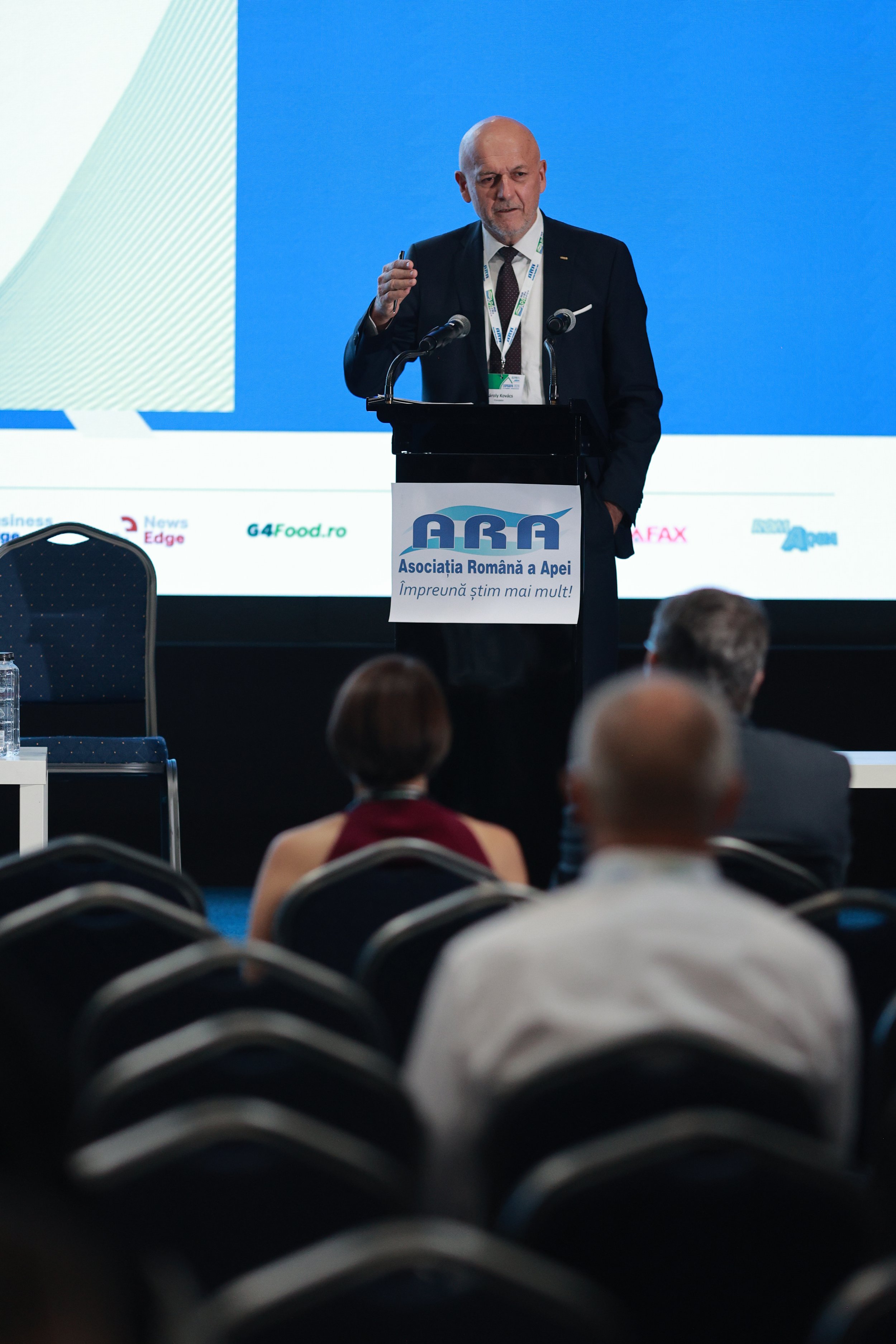
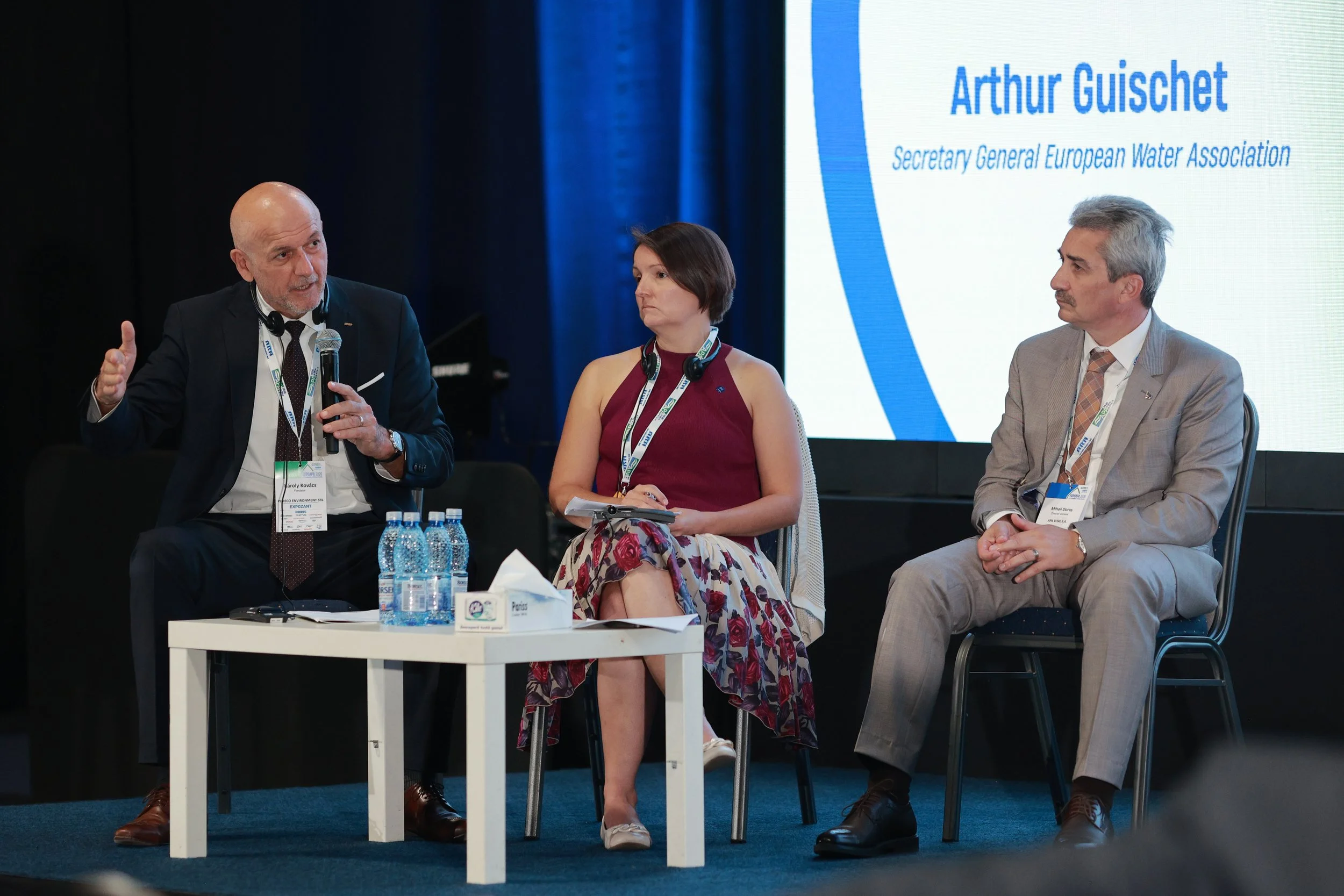
Hungarian water industry expertise took center stage at the event as Dr Károly Kovács, founder of the Pureco Group and President of both the Hungarian Water Partnership and the Hungarian Water Association, addressed participants at the invitation of the President of the Romanian Water Association (ARA).
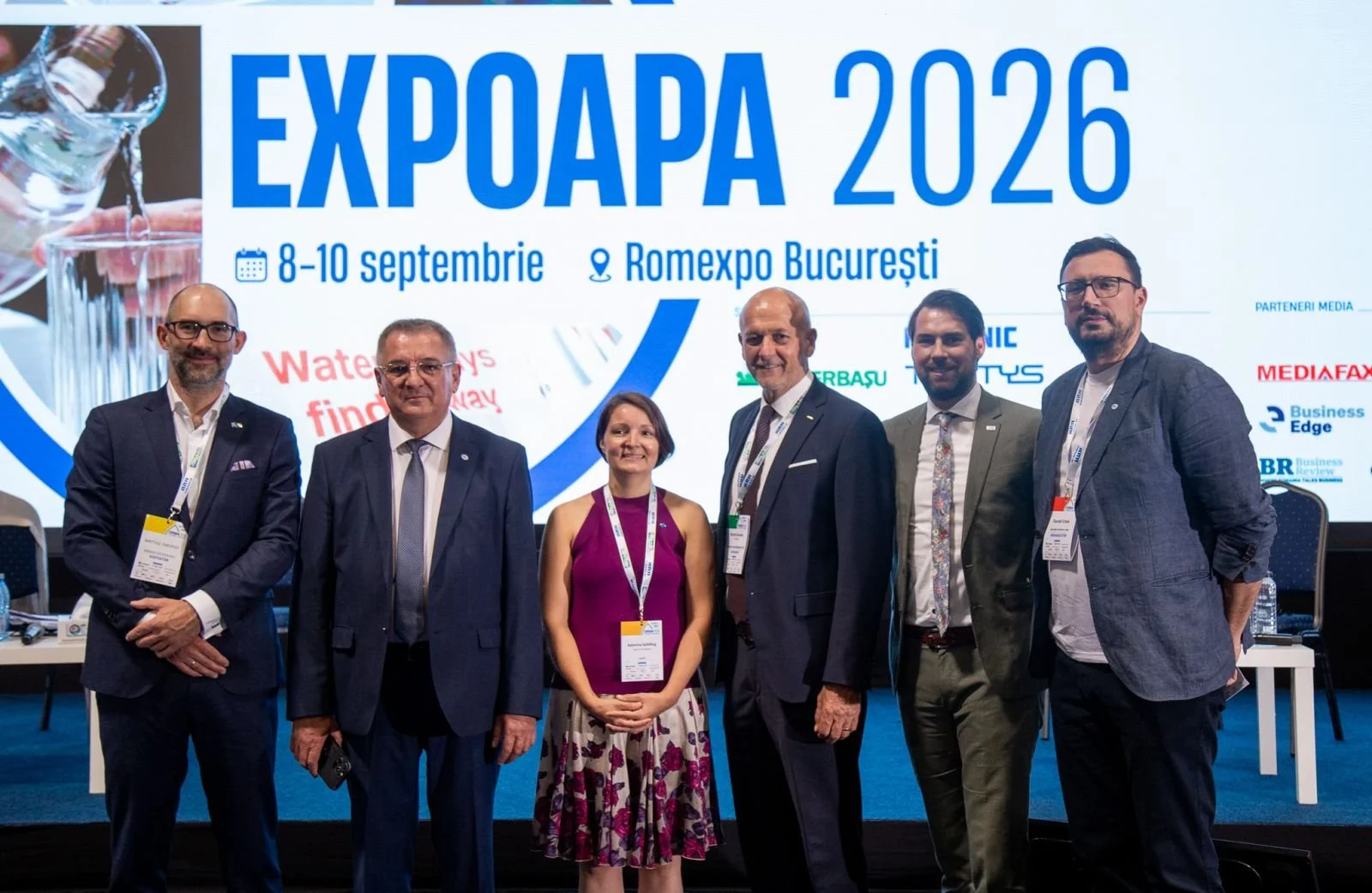
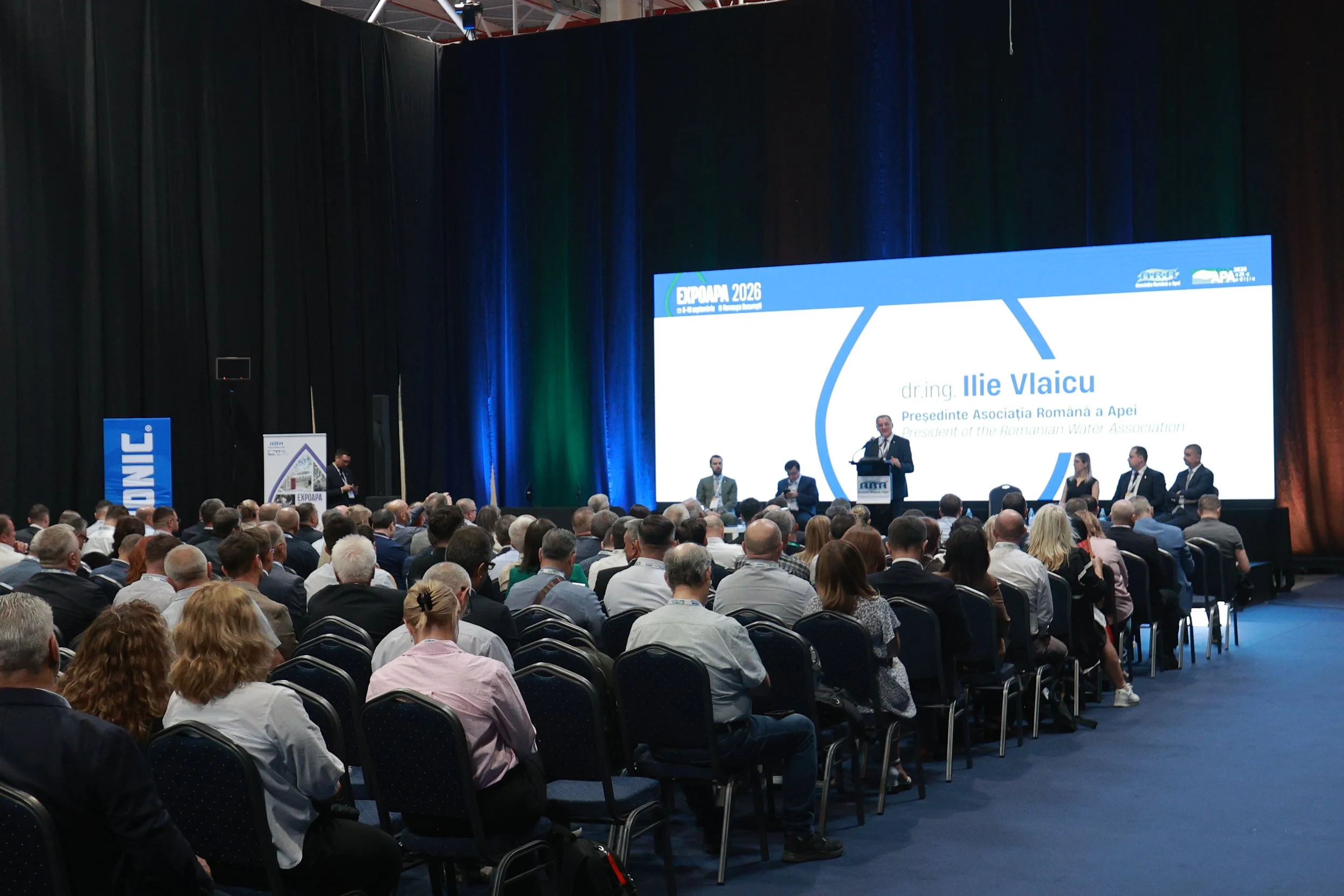
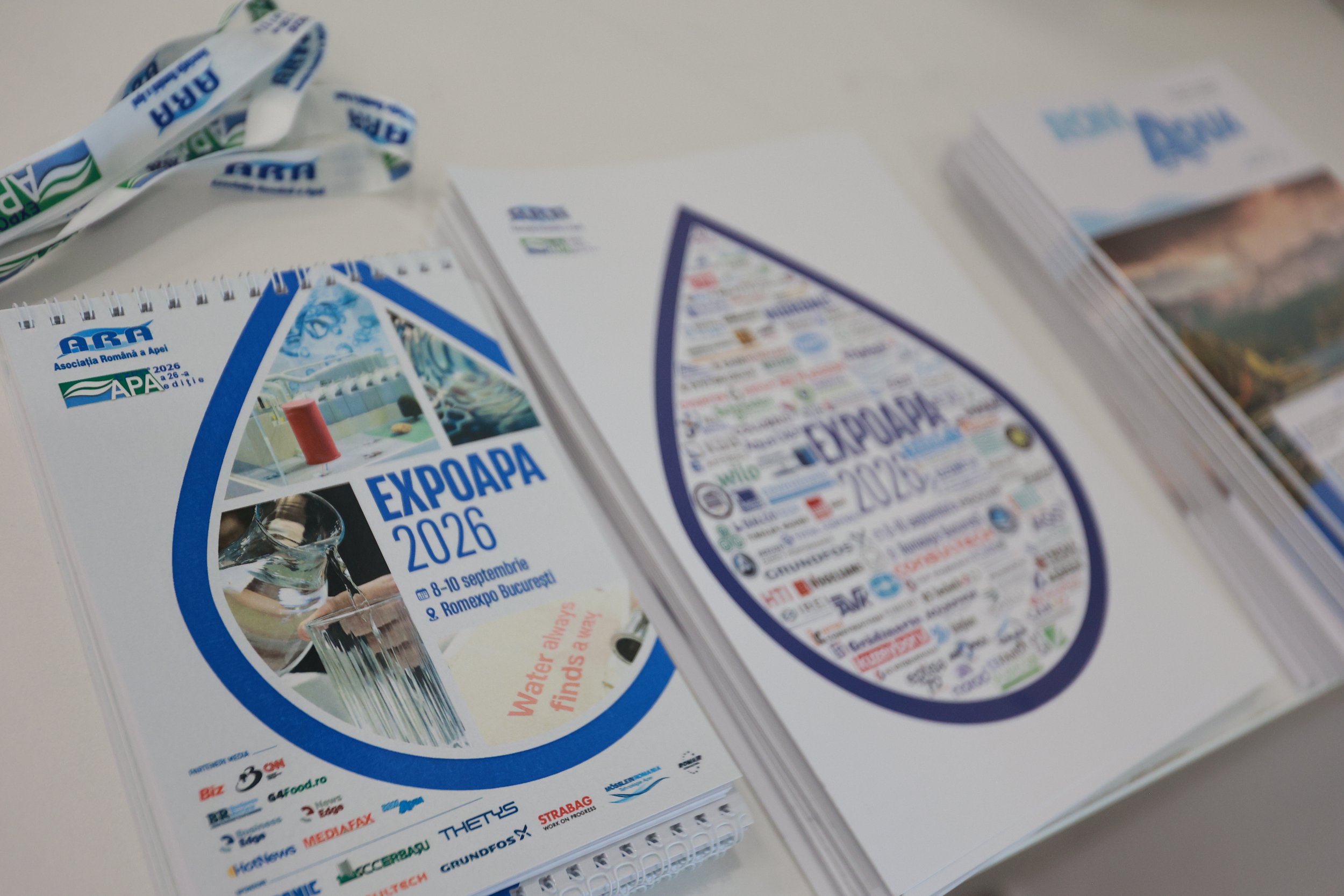
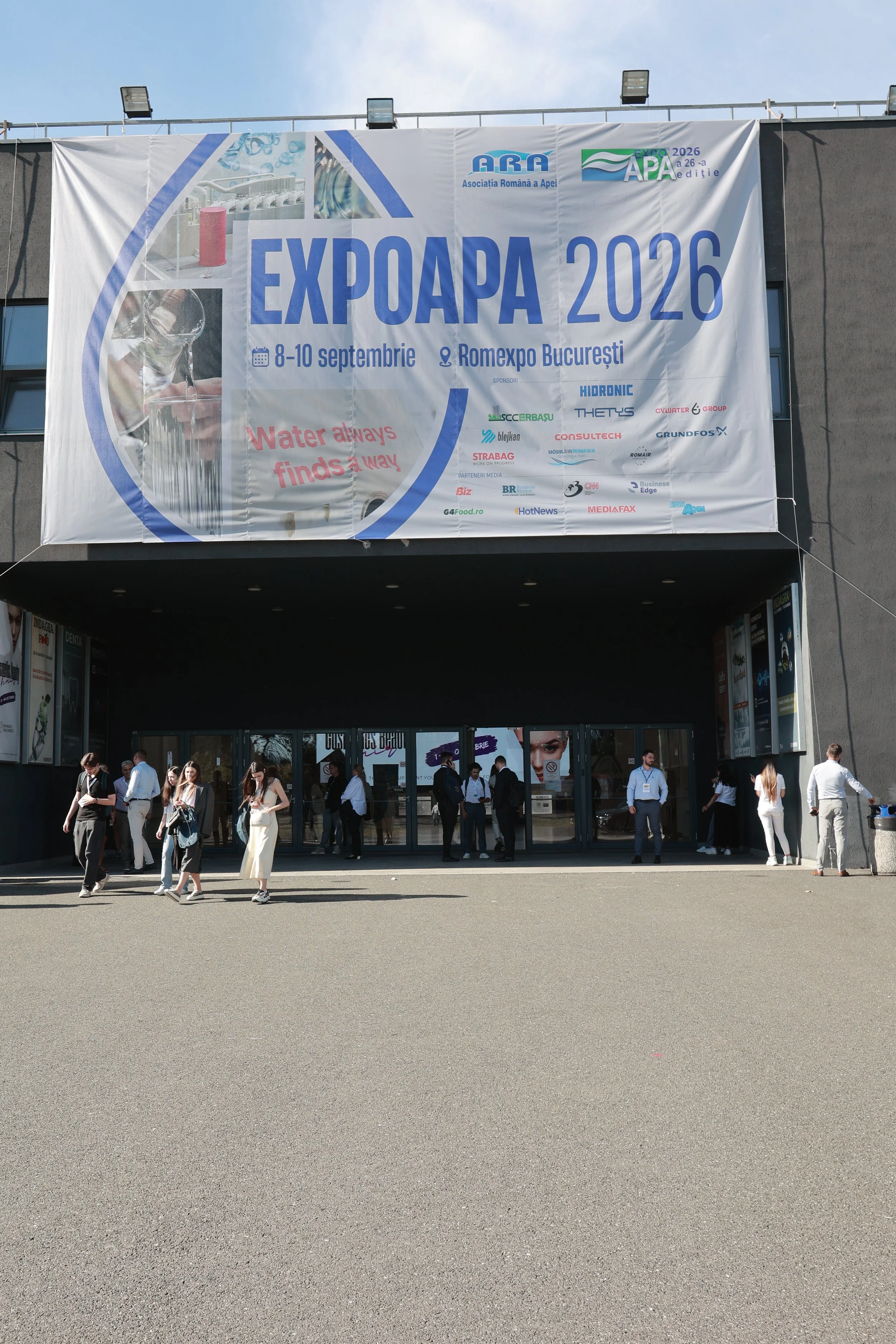
Held from the 8th to the 10th of September at the ROMEXPO Exhibition Centre in Bucharest, ExpoApa2026 provided a prominent international platform for sharing water-sector knowledge and experience.
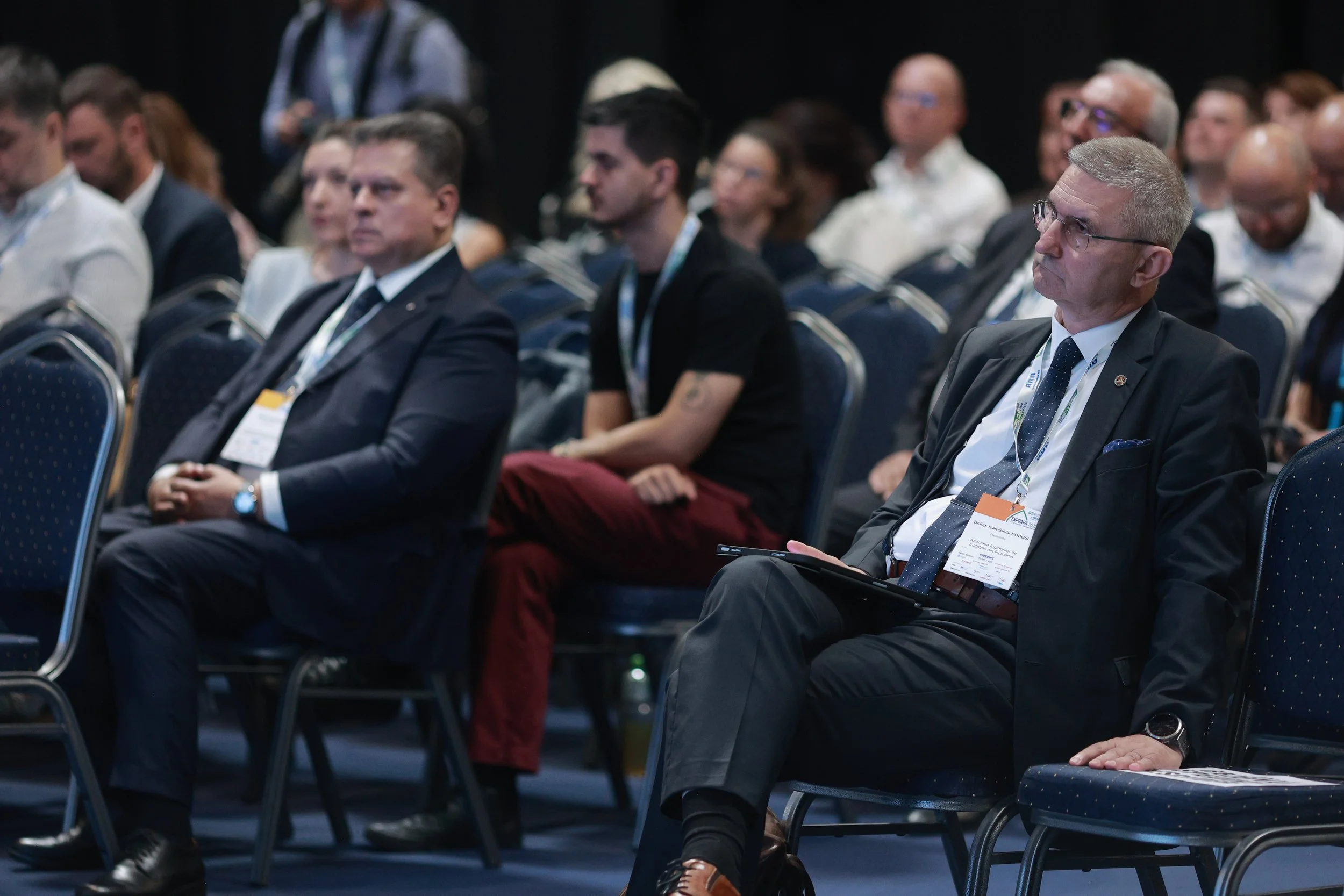
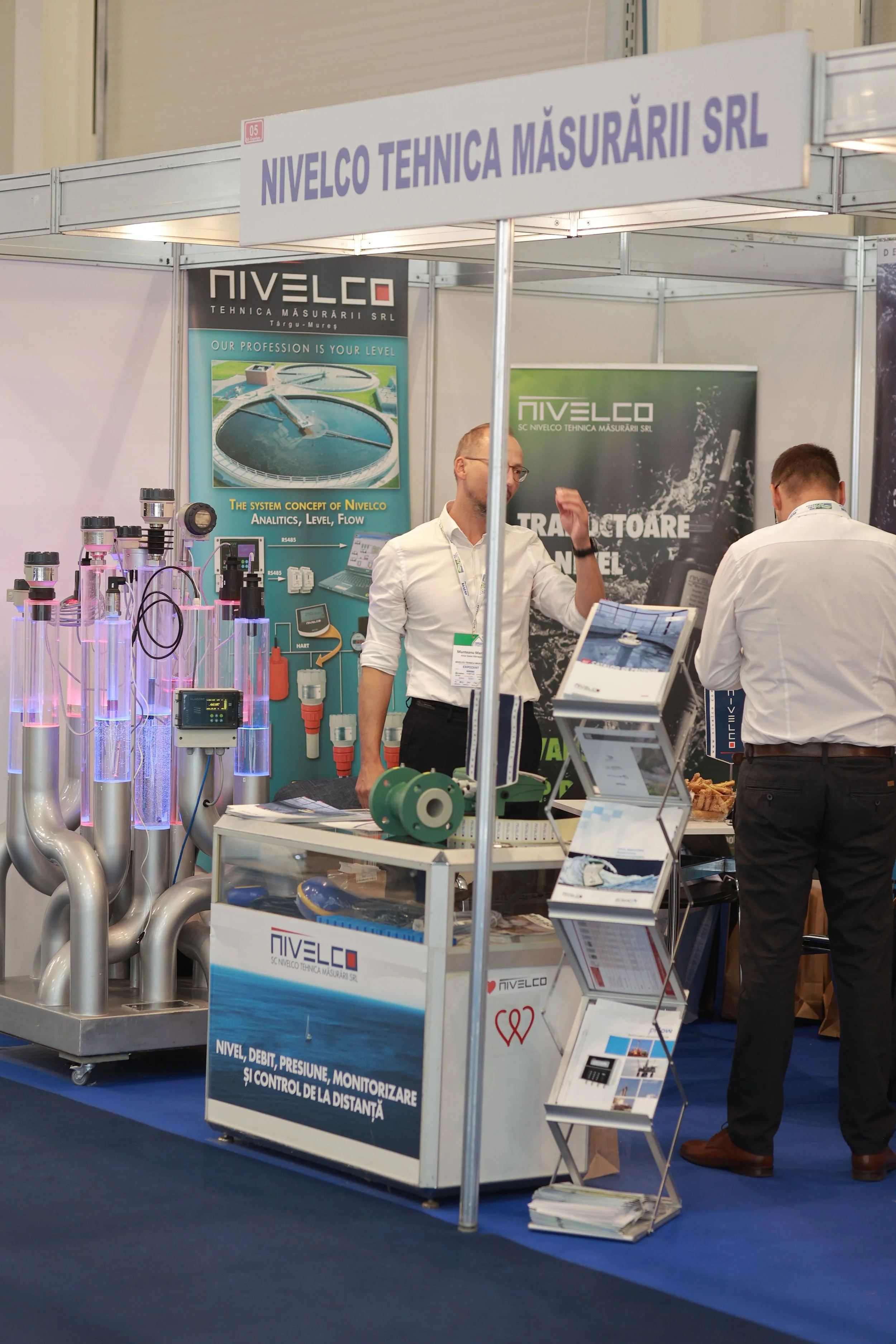
Organised by the Romanian Water Association (ARA), the 26th edition of ExpoApa brought together 86 exhibitors from 13 countries and attracted more than 4,000 participants. Water and wastewater utilities, public authorities, financial institutions, technology providers, professional associations and representatives of academia gathered to discuss the most pressing challenges the sector is faced with.
This year’s event took place with increasing pressure on water resources. Drought, rising temperatures and changing consumption patterns are making the efficient use of water and the climate resilience of infrastructure more urgent than ever. Accordingly, the exhibition and its accompanying international conference focused on resilient water future: reducing network losses, improving real-time monitoring and digitalisation, strengthening infrastructure security, securing investment and preparing the sector for the post-2027 funding period.
Hungarian experience presented at the international conference
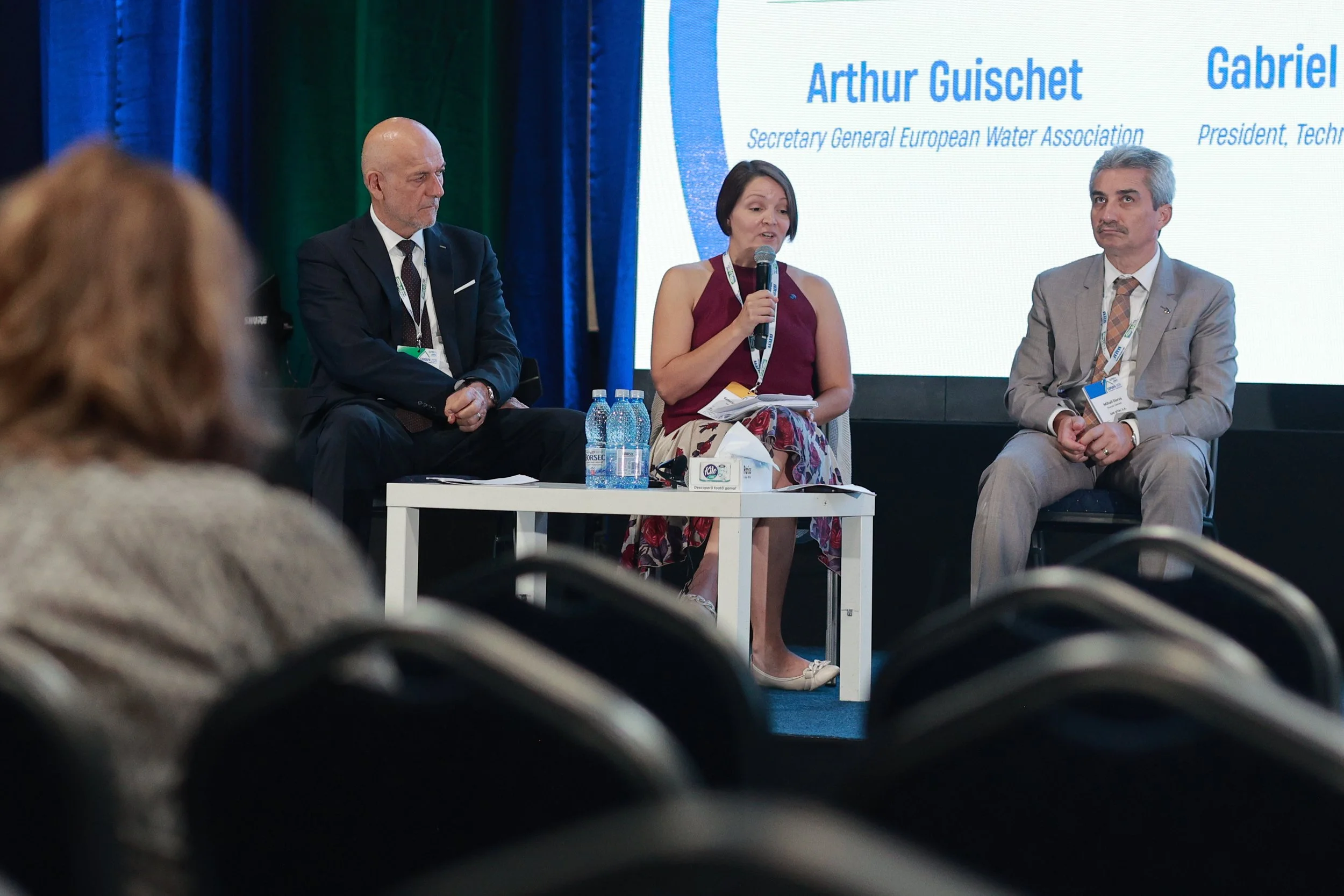
At the invitation of Ilie Vlaicu, President of the Romanian Water Association, Dr Károly Kovács, founder of the Pureco Group and President of the Hungarian Water Partnership and the Hungarian Water Association, travelled to Bucharest and delivered an invited presentation during the conference session entitled “European Experiences and Perspectives on the Development of the Water Sector”.
His presentation, “Development of the Water and Wastewater Sector – The Hungarian Chapter”, reviewed the evolution of Hungary’s water policy from the adoption of the National Water Strategy in 2015 to the priorities set out in the 2026 Action Plan. It also examined the gap that can emerge between strategic objectives and their practical implementation, as well as the growing and emerging challenges that require renewed government attention and potentially innovative forward looking responses.
A central message of the presentation was that sustainable water-resource management must be supported by an appropriate economic and regulatory framework. Water demand is increasing across households, agriculture, industry, energy production and ecosystems, while availability is becoming more limited due to geographical conditions, seasonal variations and drought.
Based on the trends above. Dr Kovács highlighted the need for water-tariff reform and a differentiated water-resource fee that reflects the source and purpose of water use, local scarcity and environmental impact. Such a tariff system should continue to protect the affordability of essential household consumption, while providing stronger incentives for high-volume and non-essential users to improve efficiency.
The presentation also called for greater support for rainwater use, treated-water reuse and water-efficient technologies. In stormwater management, paved surfaces should be equipped with systems that collect, reuse or infiltrate rainfall. Stored stormwater can be used for irrigation, industrial processes and firefighting, reducing sewer overloading, flood risks and wastewater-treatment costs. For households, municipal support for rainwater tanks and infiltration systems should be combined with practical awareness programs.
Another key conclusion was the importance of strategic planning based on full lifecycle costs. Selecting efficient and sustainable technologies at the planning stage makes it possible to keep long-term operating costs affordable while improving climate resilience. Alignment with EU directives and principles is essential, but successful implementation also depends on strong institutions, professional skills and continuous capacity building.
Key take-aways form the conference
From the presentations and panel discussions we have learned that despite different levels of water-related services, we all share similar challenges:
underfinanced and undervalued public services and water resources ->
degradation and mismanagement of water resources,
aging infrastructure and workforce.
The open dialog revealed that although financing needs, sources, capacities and expectations are different, there is room for improvement.
Improvement can be reached with:
transparent presentation and communication of the state of the sector,
stronger involvement of the professional community,
integration of human and financial capacities,
involvement of the citizens for supporting long-term and sustainable solutions.
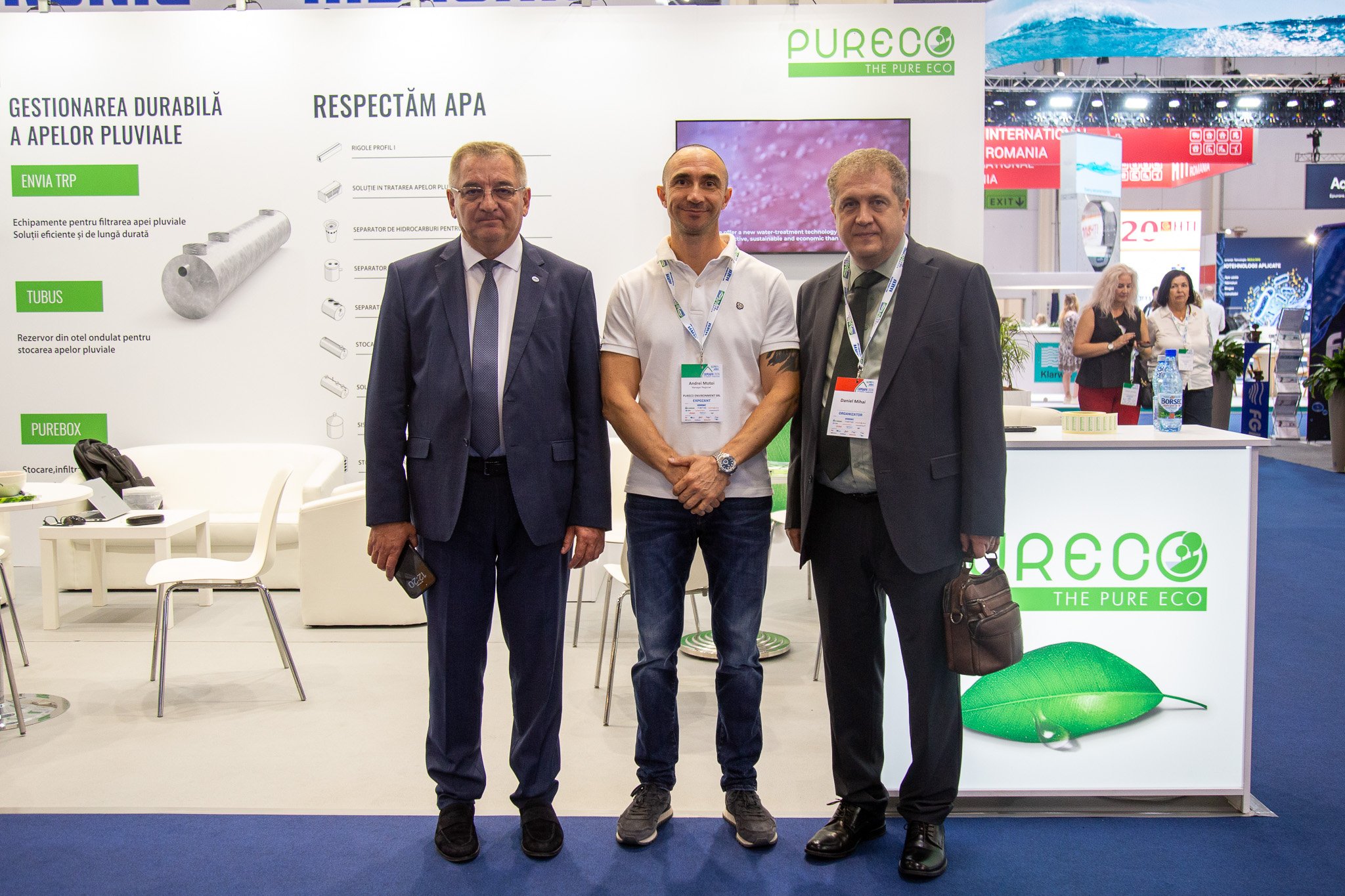
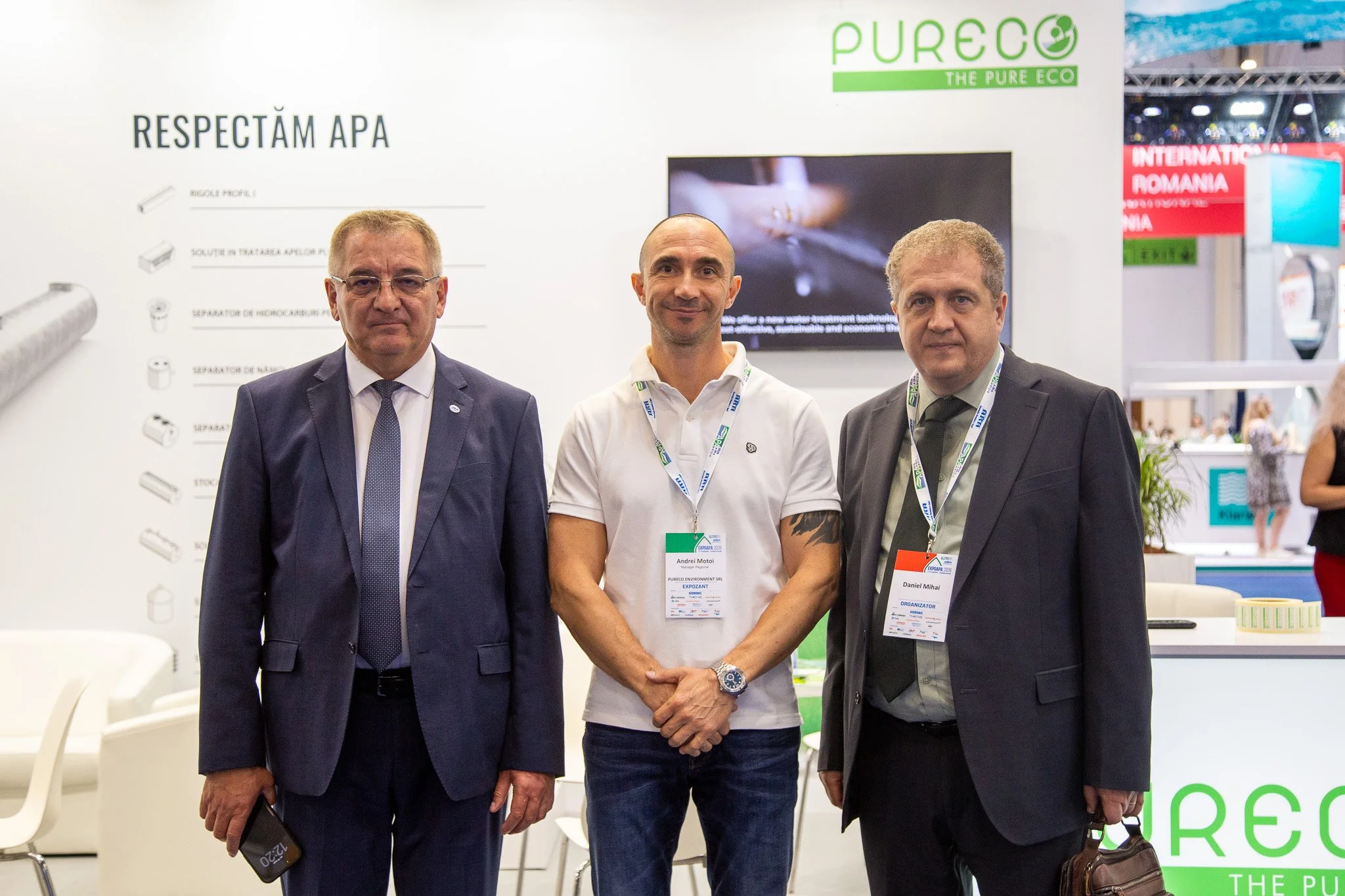
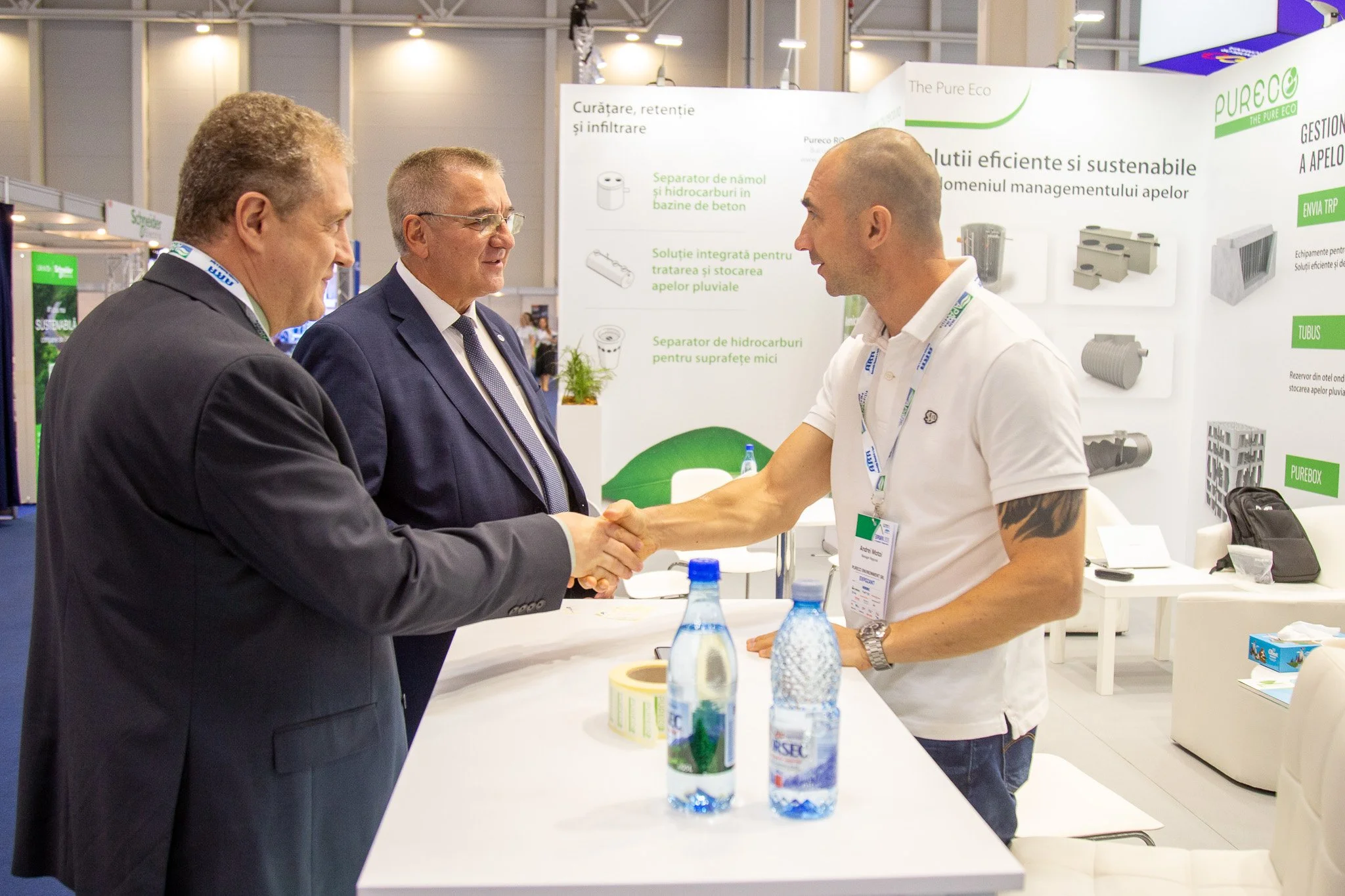
Dr Kovács’s presentation was received with great interest by the international audience and provided a valuable basis for further professional exchange. During ExpoApa 2026, he also had the opportunity to take part in several bilateral discussions and professional meetings with EU and regional water-sector experts, strengthening dialogue, exchanging experience and exploring opportunities for future cooperation.
Our presence at one of Eastern Europe’s most important water-sector events demonstrates our commitment to active regional cooperations as well. By combining technological solutions with professional dialogue, knowledge sharing and capacity building, we can contribute to turning strategies and investment programs into resilient, efficiently operated infrastructure.
The challenges the water sector is facing extend beyond national borders. Addressing them requires long-term thinking, international partnerships and the exchange of practical experience. ExpoApa 2026 once again showed that by bringing together expertise, technology and a shared sense of responsibility, the water community can contribute to a more sustainable and water-secure future.