Accelerating SDG6 innovations in water and sanitation for a sustainable future
Innovative, affordable, and ready to scale — UN SDG6 Accelerator technologies are key to closing the global gap in access to safe water and sanitation. We would like to introduce two UN-recognized solutions developed by Hungarian innovators within the Hungarian Water Partnership network, highlighting with pride how Pureco Ltd and Puraset Water and Metal Solutions Ltd are turning Hungarian water expertise into real-world impact for communities around the world.
Accelerating SDG6: Innovations in Water and Sanitation for a Sustainable Future
The Sustainable Development Goal 6 (SDG6) — “Ensure availability and sustainable management of water and sanitation for all” — stands as one of the most urgent global objectives of our time. While access to safe drinking water and adequate sanitation is recognized as a human right, billions of people worldwide still lack these essential services. To meet SDG6 by 2030, the international community has adopted the SDG6 Global Acceleration Framework, which brings together governments, civil society, private sectors, and innovators to scale up solutions rapidly and effectively. One of the key accelerators in this Framework is innovation — advancing smart, affordable, and sustainable technologies that can leapfrog traditional infrastructure constraints and deliver results faster and more inclusively.
Within this global drive, the Hungarian Water Partnership (HWP) is proud to champion and represent pioneering water and sanitation technologies in the global markets. Through its vibrant network of member companies — including Pureco Ltd. and Puraset Water and Metal Solutions Ltd. — HWP aims to bring to the world innovative solutions that can directly answer the SDG6 acceleration call as well. These technologies are recognized by the United Nations as SDG Acceleration Technologies, offering both affordability and impact in challenging contexts.
1. Septopure® — Affordable and Effective Faecal Sludge Treatment
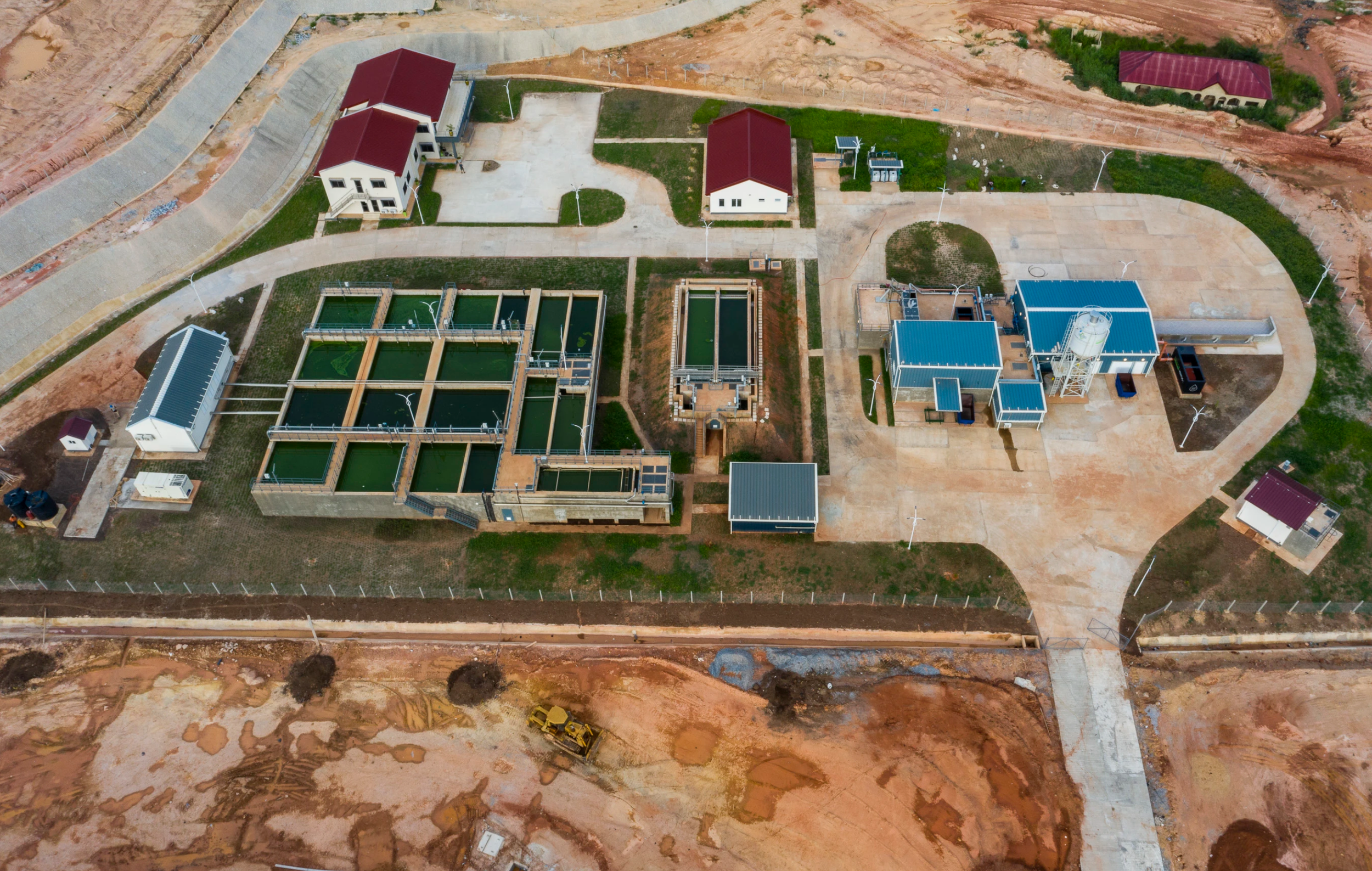
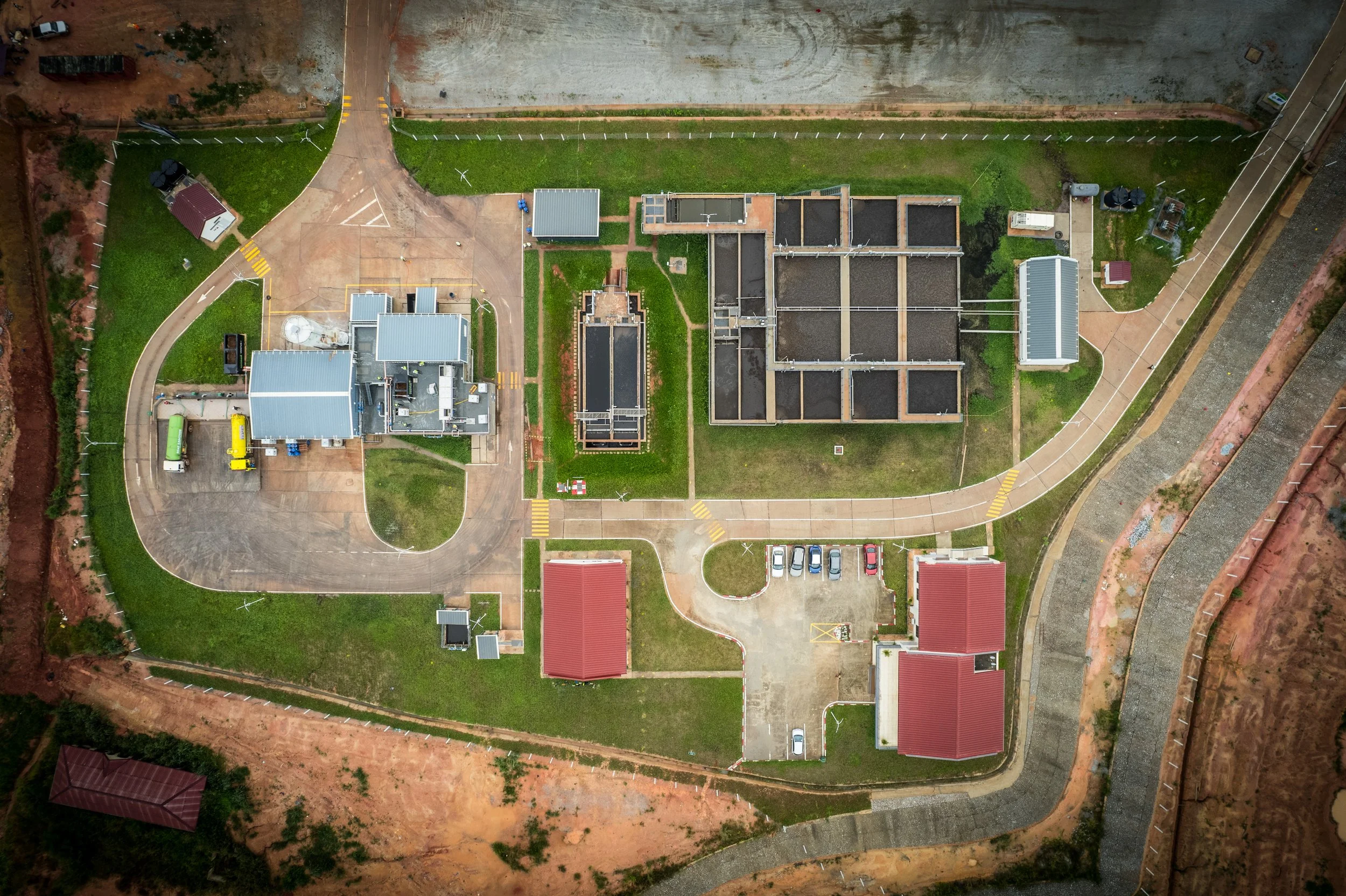
One of the most persistent obstacles to universal sanitation is the absence of sewer networks and central wastewater infrastructure, especially in rapidly growing communities across the developing world. Traditional central systems can take years to build and cost thousands of euros per person — an untenable burden for many cities and regions. Septopure®, developed by Pureco Ltd. is changing that paradigm.
As described on the UN SDGs Action Platform, Affordable wastewater treatment technology to treat 100% liquid waste (faecal sludge) — this patented, near-to-consumer treatment system can be constructed with an investment of less than €25 per capita and operated for less than €5 per person per year, compared to traditional solutions costing far more. The technology treats all liquid waste safely and sustainably, even in settings without sewerage networks, and can produce treated water suitable for reuse in irrigation or other non-potable purposes.
Septopure® has already been operationalized in major cities of Ghana (Kumasi, Takoradi, Tamale), where it has played a transformative role in safeguarding public health and environmental quality in places where less than 10 % of wastewater was previously treated. Beyond technology, the implementation also includes capacity building and local training — ensuring long-term sustainability and community ownership.
Affordable wastewater treatment technology to treat 100% liquid waste (faecal sludge) — UN SDGs Action Platform.
2. PurAID® — Instant Point-of-Use Drinking Water for Rural Communities
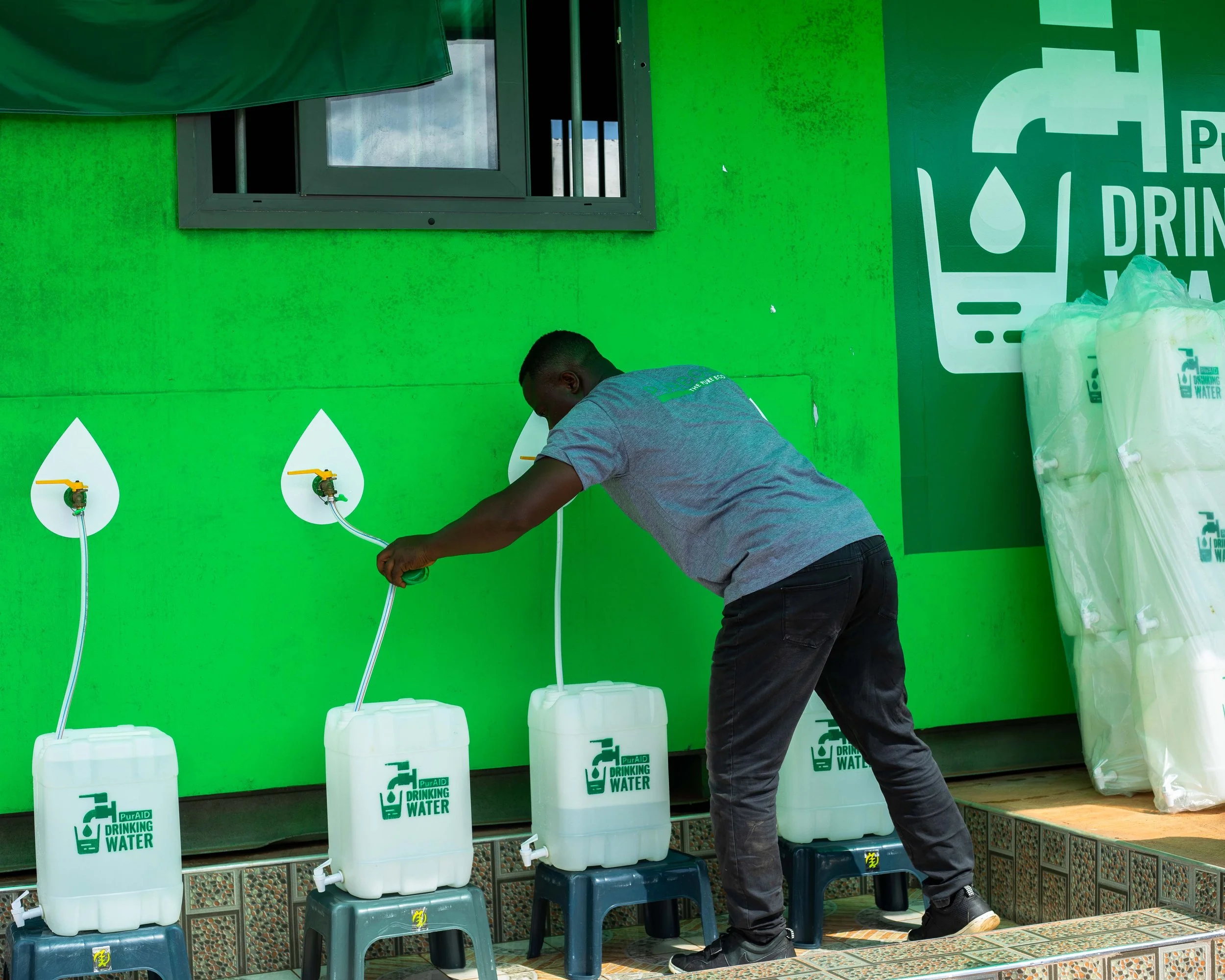
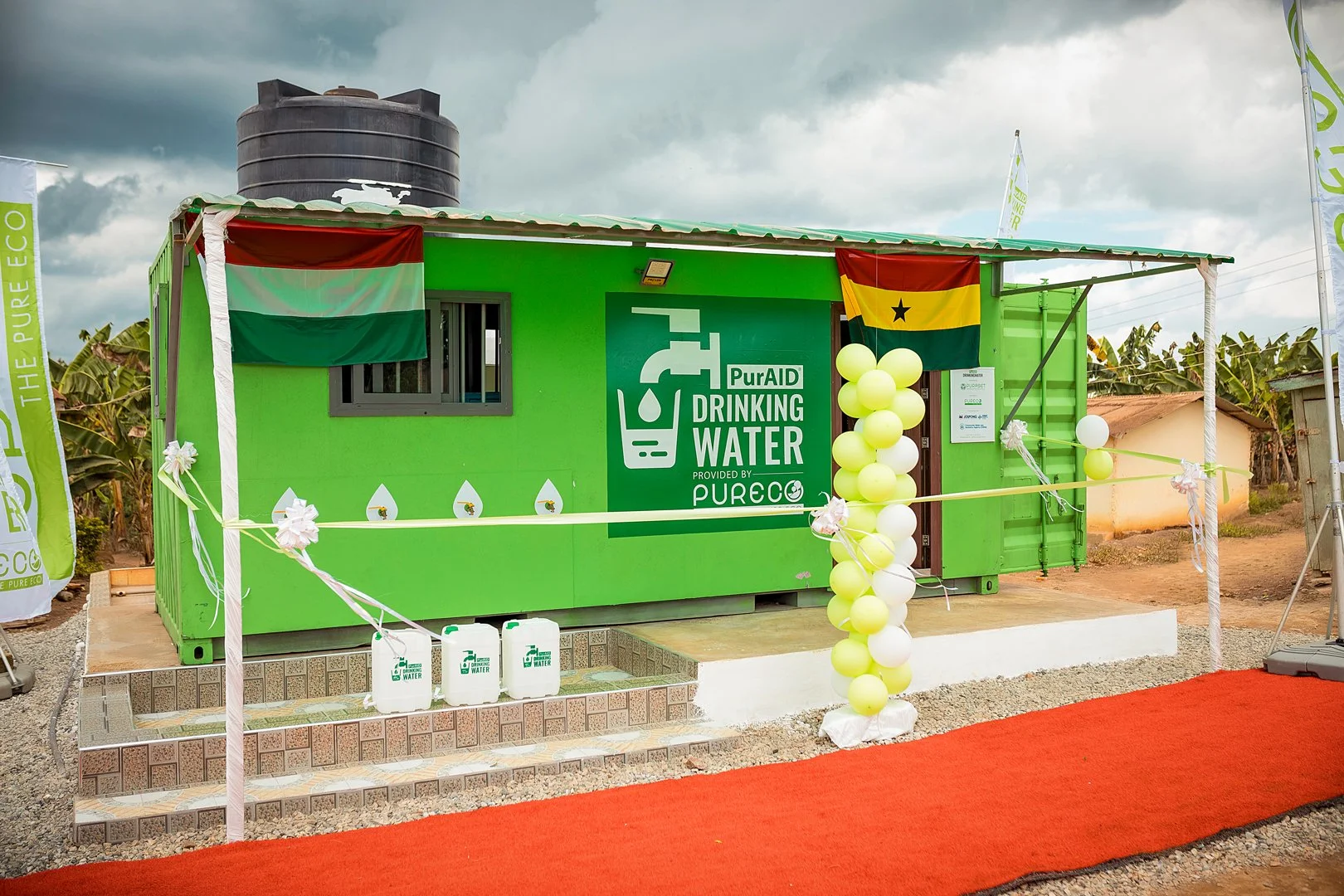
Access to safe drinking water remains a challenge in many regions around the world, particularly in rural and underserved regions where centralised water systems are absent. The PurAID® system, developed by Puraset Water and Metal SolutionsLtd. Within the Hungarian Water Partnerships network, delivers a breakthrough in point-of-use water purification that is both immediate, affordable, sustainable and regenerable.
Listed on the UN SDG Action Platform as Sustainable safe drinking water supply for rural areas as a point technology giving instant solution, PurAID® provides modular, mobile drinking water treatment units that require no extensive pipeline systems. With an investment cost of less than €25 per capita — far below the typical €500-2,000 per capita for conventional systems — PurAID® is designed for rapid deployment where infrastructure is lacking.
The system uses high-quality, regenerable filter technology to remove contaminants and deliver safe, drinkable water almost immediately upon installation. This scalable solution can serve rural communities, schools, healthcare centres, or public institutions, dramatically reducing waterborne illnesses and freeing up time spent on fetching water. Additional benefits include minimal environmental impact, no plastic waste generation, and support for local employment and community business growth.
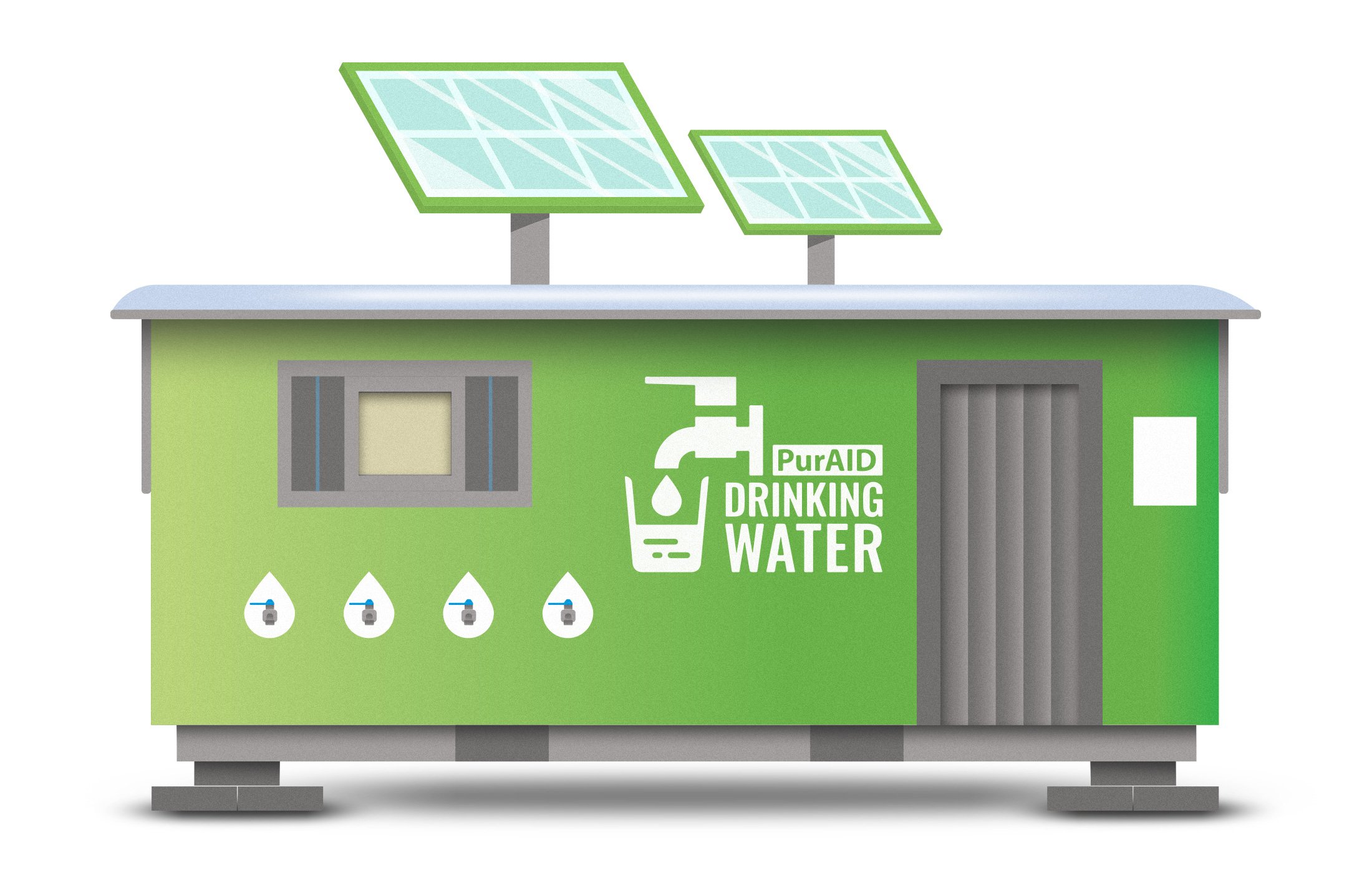
Sustainable safe drinking water supply for rural areas as a point technology giving instant solution — UN SDGs Action Platform.
Hungarian Innovation with Global Impact — A Source of Pride
The achievements of Hungarian innovators like Pureco Ltd. and Puraset Water and Metal Solutions Ltd, within the Hungarian Water Partnership network, are powerful testimonies to how national expertise can contribute to global goals. These solutions embody the very spirit of the UN SDG6 Accelerator: creative, context-appropriate, affordable, and impactful technologies that help bring water and sanitation services to all — faster and more equitably. HWP is proud to spotlight these technologies and their real-world impact, reinforcing Hungary’s role in advancing sustainable water management and contributing to the global Water Action Agenda.