Hungarian - Slovak Water Cooperation in Focus: ESG, Resilience and the Future of the Water Sector
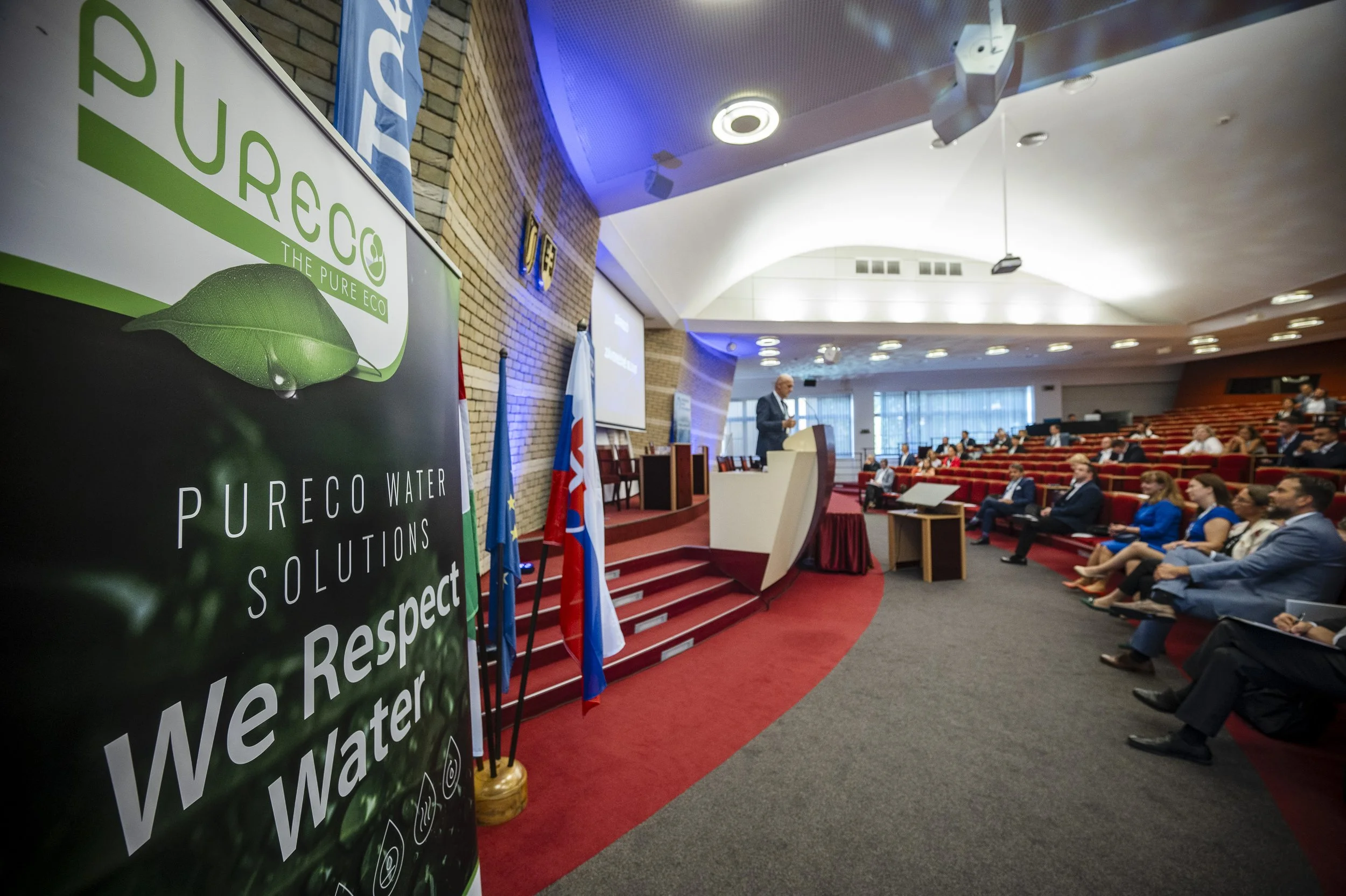
The Hungarian Water Partnership (HWP) and the CED Central European Economic Development Network jointly organised the Hungarian–Slovak Water Industry Meeting in Komárno, Slovakia, on 19 September 2024. The event brought together Hungarian and Slovak water-sector professionals, utility representatives, industrial companies and sustainability experts to strengthen cross-border cooperation and discuss some of the most pressing challenges facing the sector.
Particular attention was given to climate resilience, infrastructure development, ESG requirements, the EU Taxonomy and the green transition, as well as to the growing importance of cooperation between utilities, industry, professional organisations and public-sector actors. The event was organised with the special support of Pureco, an HWP member company.
Climate resilience requires cooperation
The timing of the meeting was especially relevant. The severe Danube floods experienced in the region demonstrated once again that climate change is no longer a distant challenge. Extreme weather events are increasingly affecting infrastructure, utilities, industry and communities.
Responding effectively requires not only technical solutions, but also long-term planning, economic analysis, preparedness and cooperation across sectors and borders.
This principle was at the heart of the Hungarian-Slovak Water Industry Meeting. Although the regulatory, institutional and municipal contexts of Hungary and Slovakia differ, participating experts agreed that the two countries face many of the same fundamental challenges.
These include:
ageing water infrastructure,
the need for reconstruction and capacity expansion,
increasing investment requirements,
climate adaptation,
affordability and long-term sustainability, and
the need to identify solutions that can be adapted to local conditions.
The future of water utilities
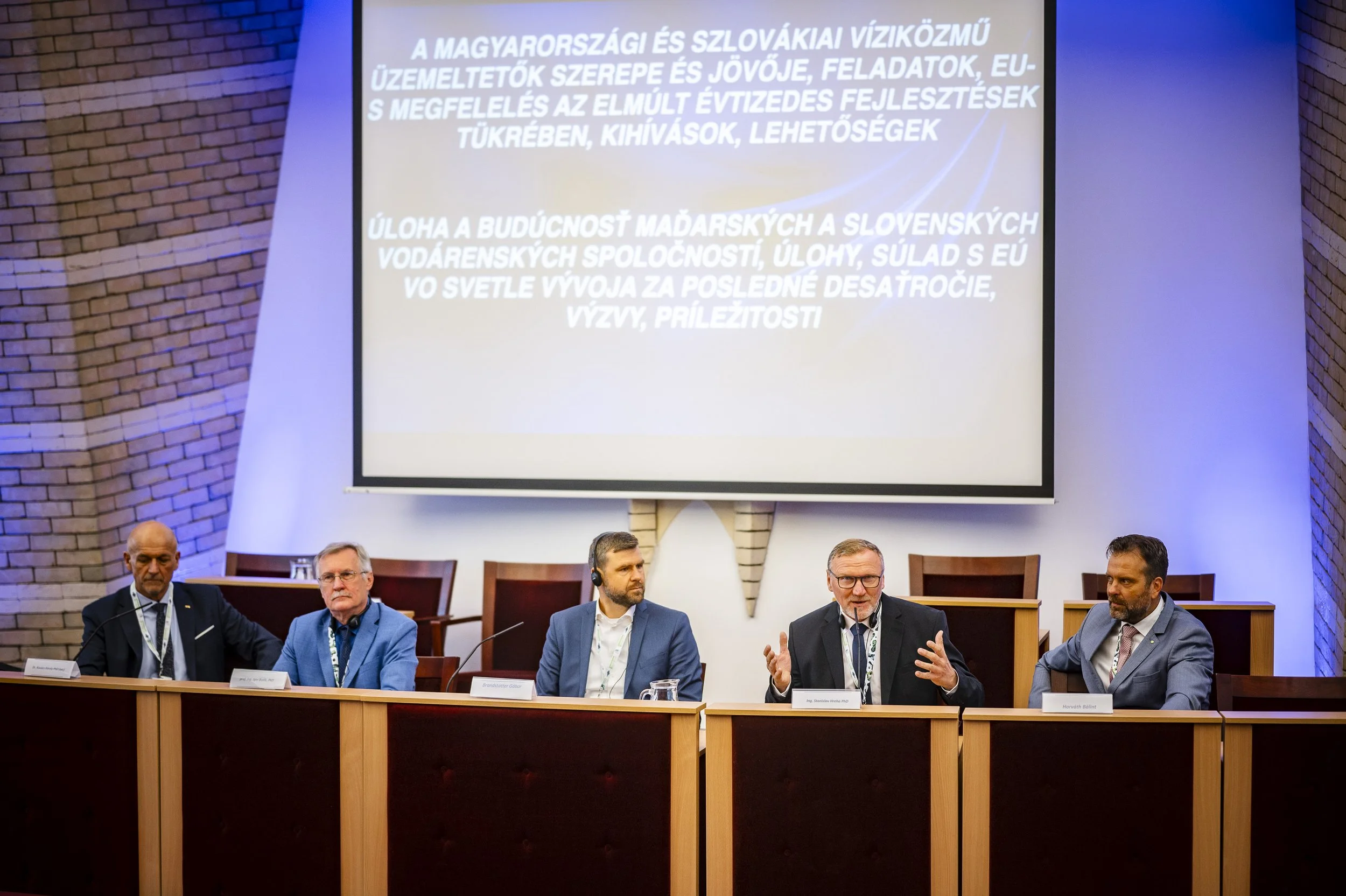
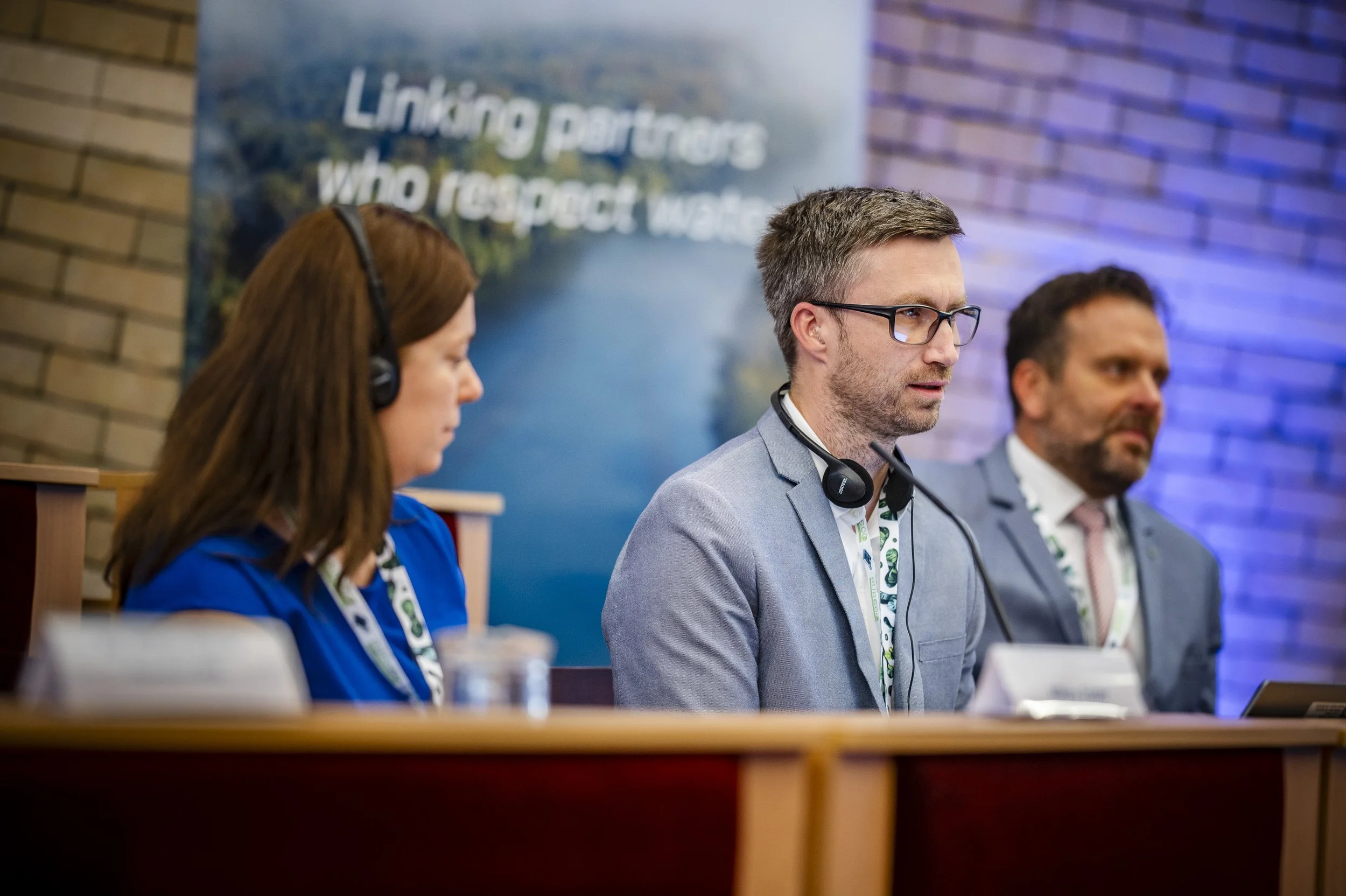
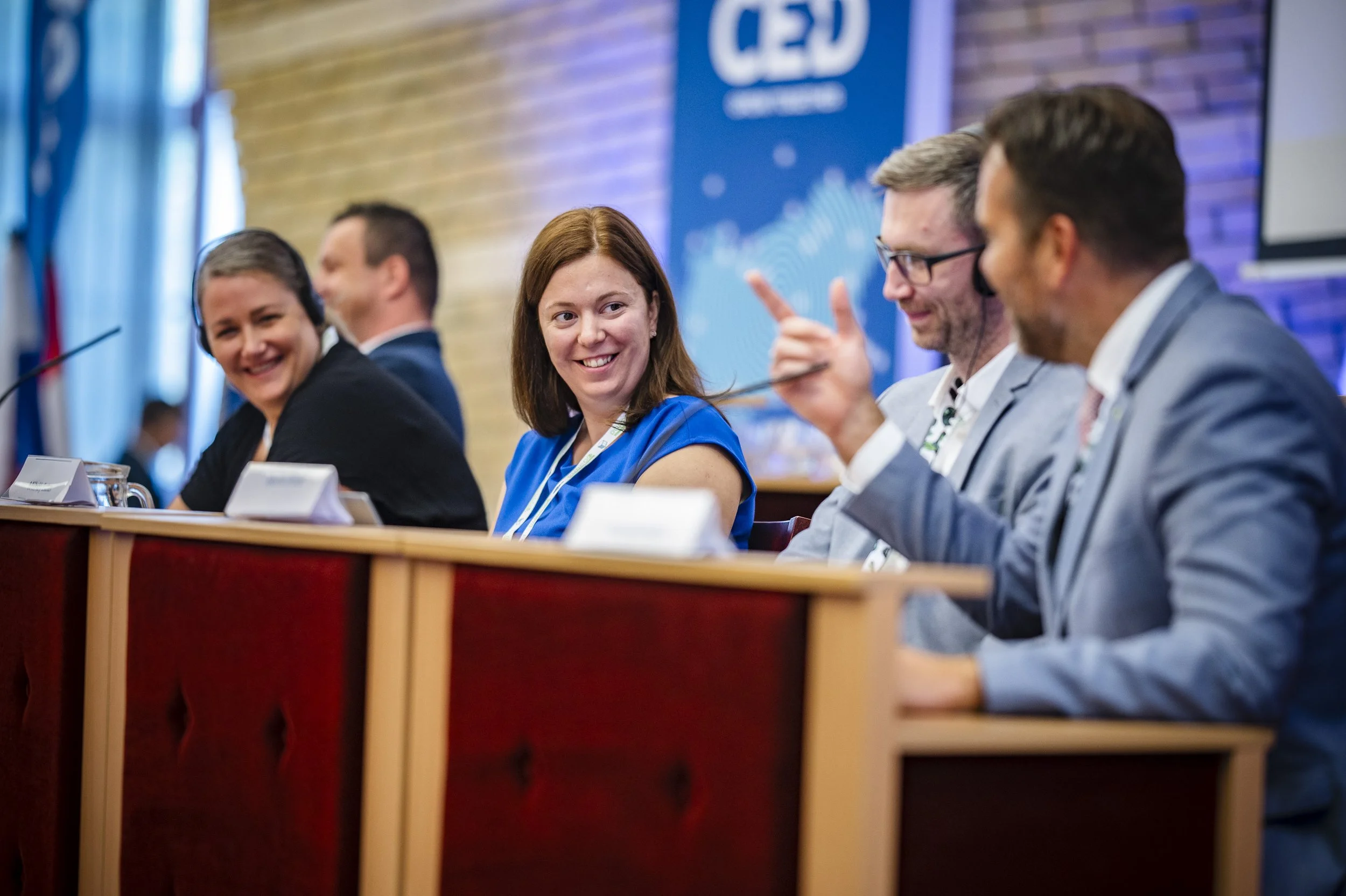
One of the central panel discussions examined the role, future and responsibilities of Hungarian and Slovak water utilities and water-sector actors. Participants included representatives from the Hungarian and Slovak water sectors, including Budapest Waterworks, sectoral associations and HWP. A key conclusion of the discussion was that sustainable infrastructure development requires much more than selecting a technical solution. Proper preparation, long-term planning and preliminary economic analysis are essential if investments are to remain affordable and sustainable throughout their full life cycle.
The discussion also highlighted that future infrastructure development must take into account not only operational requirements, but also evolving European sustainability expectations.
ESG and the green transition are already reshaping the sector
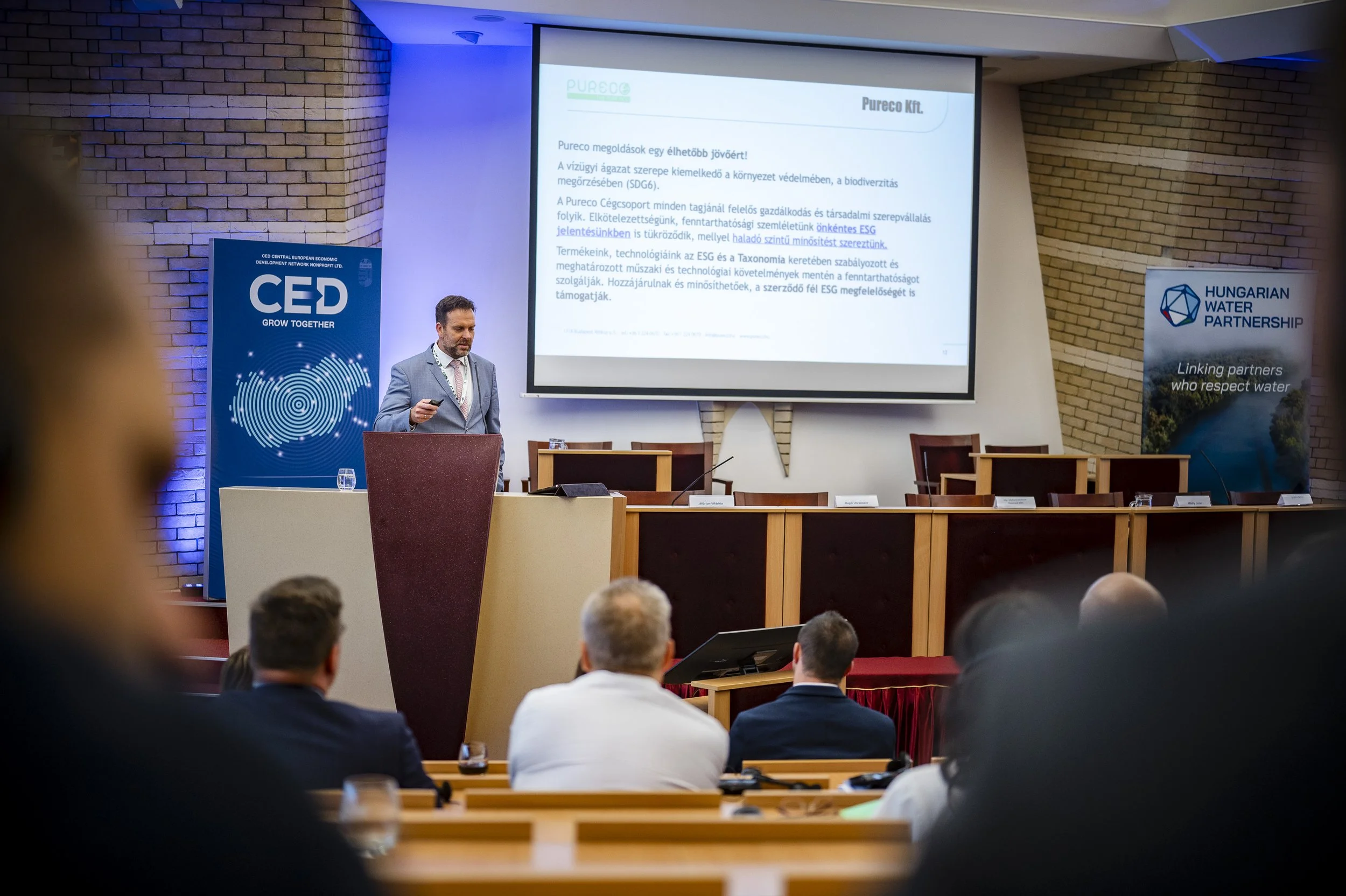
A distinctive feature of the meeting was its focus on the impact of ESG requirements and European green-transition regulation on the water industry. While ESG reporting is increasingly becoming part of corporate and infrastructure decision-making, its practical implications for the water sector and its supply chains are still evolving. Experts from EY and ARPenviro presented the connections between green business, the EU Taxonomy and ESG requirements, providing participants with an overview of how sustainability regulation is changing expectations for companies and infrastructure providers.
The presentations were followed by a panel discussion on ESG-related technical solutions, industrial water use and corporate sustainability strategies.
The panel brought together representatives from major industrial companies, including MOL Group Hungary, Volkswagen Slovakia, HELL Energy Hungary and Jaguar Land Rover Slovakia, together with Pureco representing the water industry. The discussion focused on how companies are preparing for growing sustainability requirements, where water fits into their ESG strategies, and how climate change and extreme events such as flooding are already affecting industrial operations.
Water throughout the sustainability value chain
An important conclusion of the event was that sustainability obligations increasingly extend beyond companies that are directly required to report. Water utilities, technology providers and companies throughout the supply chain are increasingly being asked to provide environmental and sustainability-related information. This means that the green transition affects not only large corporations, but also suppliers, infrastructure providers and technology companies.
For the water sector, this creates both challenges and opportunities.
Companies that can demonstrate measurable contributions to water efficiency, resilience, resource protection, emissions reduction and sustainable infrastructure are likely to become increasingly important partners in European and international value chains. The message from the meeting was clear: the green transition is no longer a future scenario. It is already influencing investment, procurement and business decisions today.
Recognising the value of water
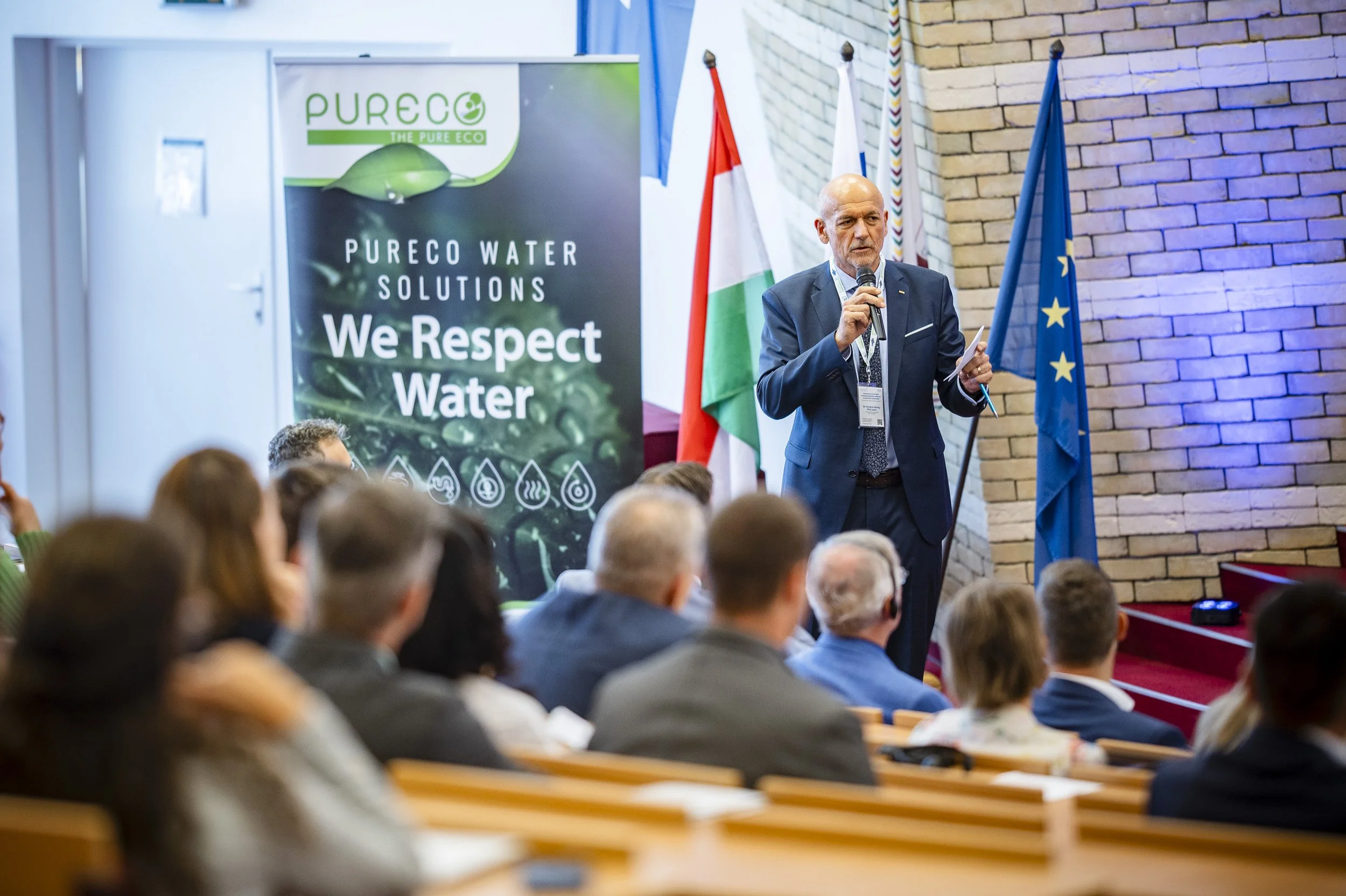
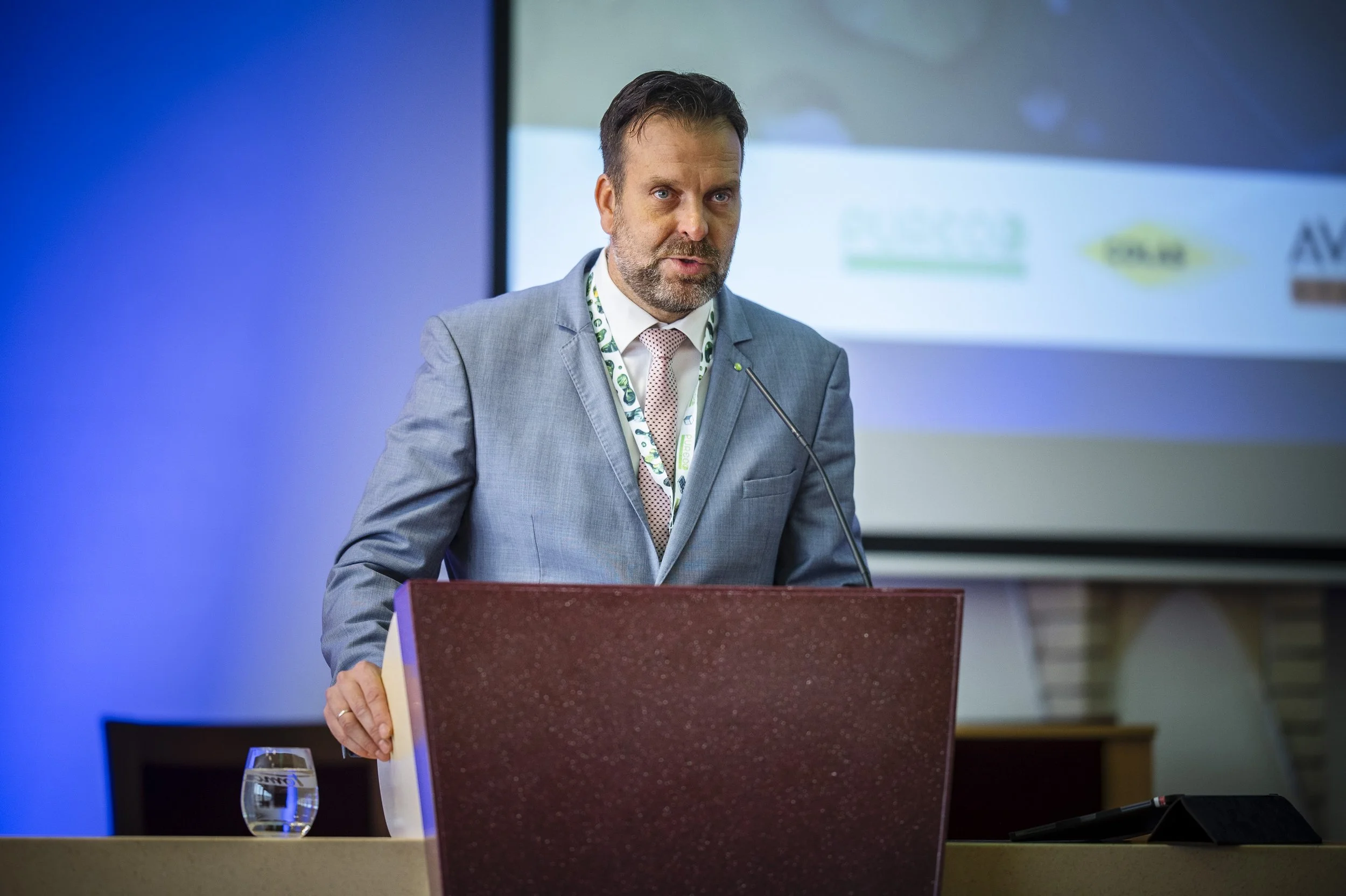
In his closing remarks, Dr. Károly Kovács, President of the Hungarian Water Partnership and former member of the EU Platform on Sustainable Finance, highlighted that the sector already possesses considerable expertise, commitment and willingness to cooperate.
However, he emphasised that greater recognition of the value of water requires broader social awareness and, ultimately, stronger political commitment.
As he noted:
“The expertise, the commitment and the willingness to cooperate are there among professional, public, scientific and industrial actors, but political recognition of the value of water requires a change in social attitudes and the resulting political will.”
This perspective also reflects HWP’s wider international work: water infrastructure cannot be treated simply as a technical issue. It is closely connected to economic resilience, public health, climate adaptation and long-term competitiveness.
From professional dialogue to business cooperation
The event concluded with B2B meetings between participating Hungarian and Slovak companies, turning professional dialogue into concrete opportunities for future cooperation. For HWP, this combination of policy discussion, professional knowledge exchange and direct business networking is central to international market development. The Hungarian-Slovak Water Industry Meeting demonstrated that many future water-sector challenges will need to be addressed collectively.
Utilities, technology companies, industrial users, professional associations, regulators and financing actors all have a role to play. The main message of the event was therefore partnership: sharing knowledge, exchanging experience and building cooperation both within and beyond the water sector. By strengthening cooperation between Hungarian and Slovak professionals and businesses, HWP aims to support a more resilient, sustainable and competitive regional water sector.