HWP Member Companies’ Solutions for One of the World’s Most Serious Global Challenges
Hungarian water technologies supporting sustainable development in Africa
Innovative Hungarian water technologies can make an important contribution to improving living conditions in developing countries. This was one of the key messages of the International Water Association’s Water and Development Congress, held in Kigali, Rwanda, where the Hungarian Water Partnership (HWP) brought together leading European and African water-sector experts for a dedicated workshop and panel discussion.
Experience from recent years has demonstrated that Hungary can contribute effectively to addressing water and sanitation challenges through exportable expertise and affordable, sustainable drinking water and wastewater treatment technologies.
Global water challenges
Although almost three-quarters of the Earth’s surface is covered by water, less than 3% is freshwater and only a small proportion is readily accessible for human use. At the same time, global demand for water continues to grow, driven by population growth, urbanisation, economic development and climate change.
Billions of people worldwide still lack adequate access to safe drinking water and sanitation services, while untreated wastewater continues to place severe pressure on surface water and groundwater resources. These challenges are particularly acute in rapidly growing cities, rural communities and areas without conventional sewerage infrastructure.
Closing the global water and sanitation infrastructure gap will require enormous investment. Consequently, there is a growing need for solutions that are not only technically effective, but also affordable, scalable, rapidly deployable and capable of attracting private financing.
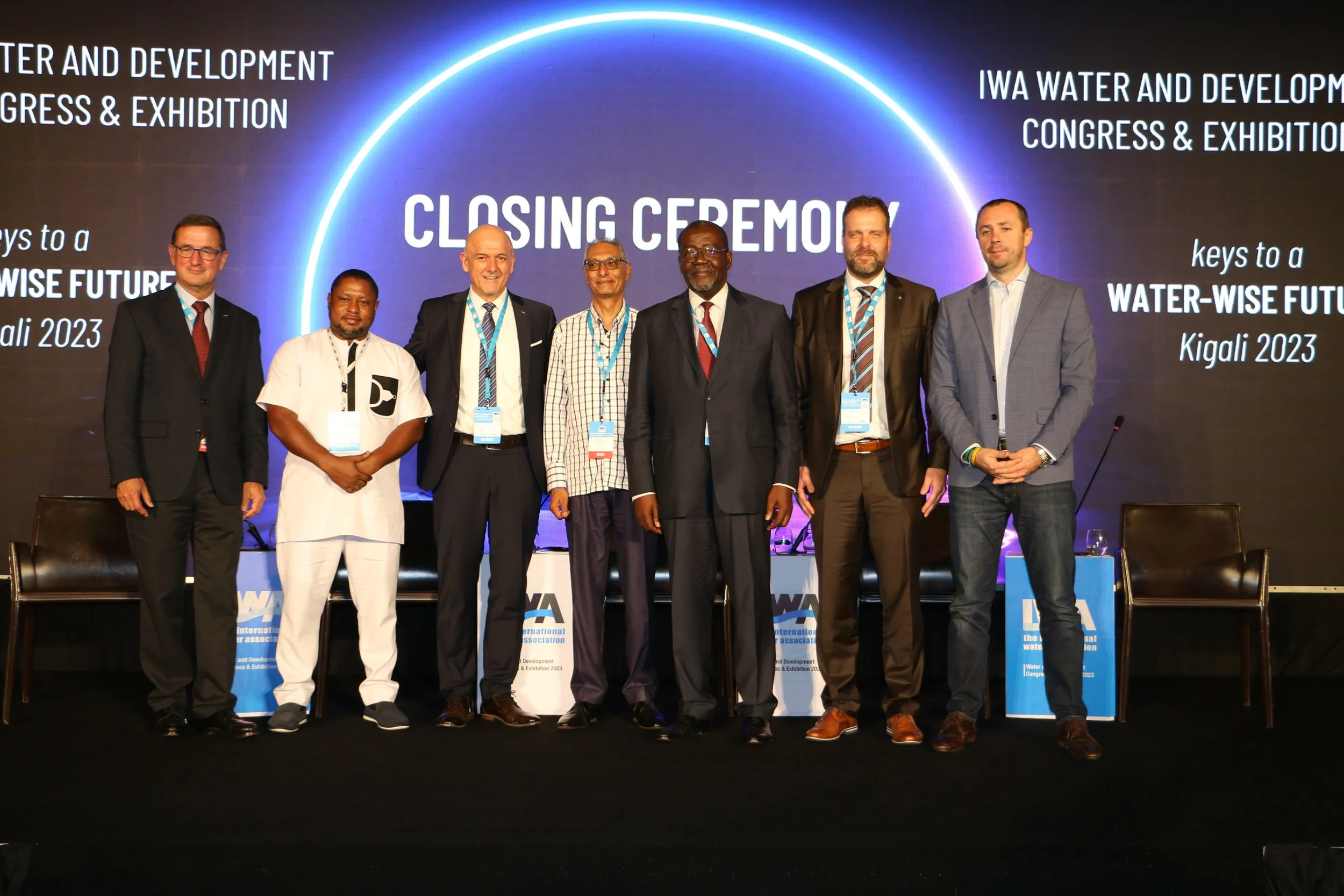
International dialogue in Kigali
The IWA Water and Development Congress focused specifically on the water-related needs of low- and middle-income countries and on practical pathways towards a more water-secure future.
Experts, utilities, decision-makers, researchers, technology providers and development organisations from around the world participated in the four-day event, exchanging experience through plenary sessions, technical discussions and specialist workshops.
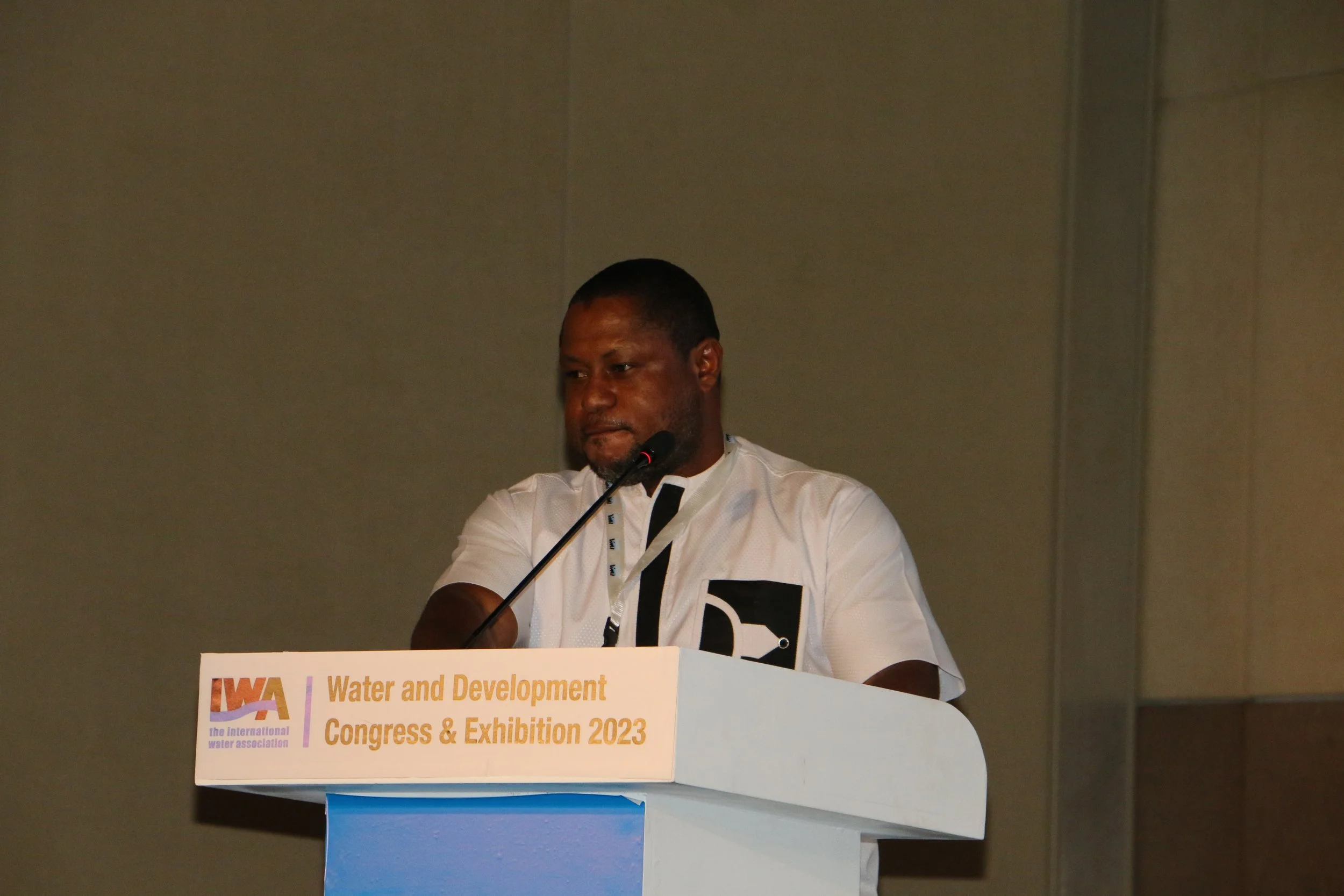
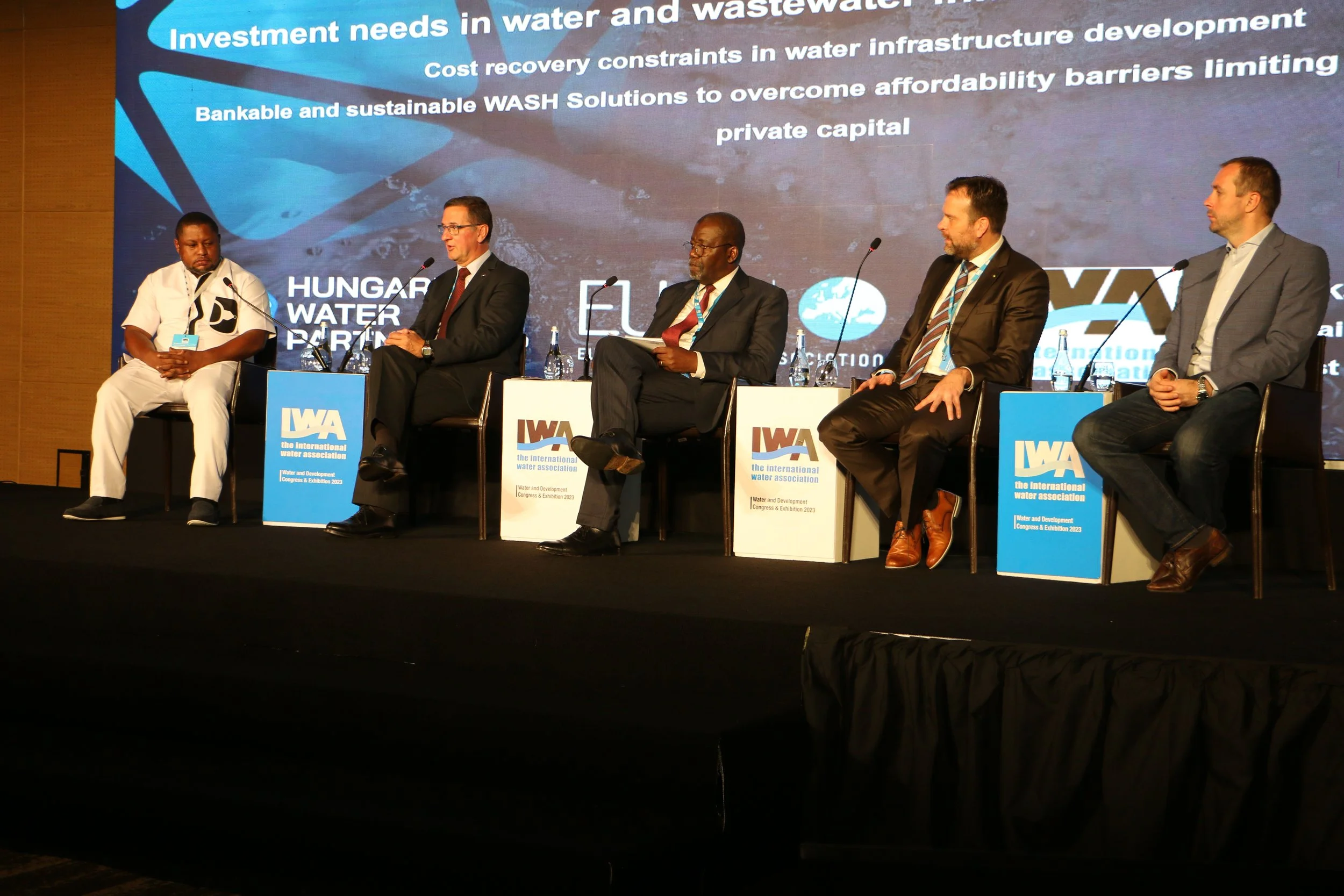
Hungary was represented by both diplomatic and professional delegations. The Hungarian Water Partnership played an active role in the professional programme and organised a dedicated workshop addressing sustainable and financially viable water infrastructure development.
The session highlighted how Hungarian technologies and expertise can contribute to solving drinking water, wastewater and sanitation challenges in developing markets.
Hungarian technologies for addressing water challenges
A recurring theme throughout the Congress was the urgency created by population growth, rapid urbanisation, limited water resources and the difficulties of providing infrastructure to isolated or underserved communities.
For many developing regions, conventional large-scale infrastructure alone cannot provide solutions quickly enough. Decentralised and near-to-consumer technologies can complement traditional systems by delivering safe drinking water and wastewater treatment closer to the communities that need them.
For these solutions to achieve meaningful scale, however, they must also be cost-effective, affordable to users and structured in ways that make investment attractive to public and private financing partners.
Hungarian Water Partnership member companies have been actively contributing to African water-sector development since 2019. Examples include:
wastewater and faecal sludge treatment solutions supporting unsewered communities in Kumasi, Takoradi and Tamale, Ghana;
decentralised drinking water treatment in Akim Wenchi, Ghana;
desalination solutions supporting irrigation water supply in Cabo Verde; and
the expansion of drinking water treatment capacity in Kigali, Rwanda.
These projects demonstrate how Hungarian engineering expertise can be adapted to different local conditions while prioritising affordability, operational sustainability and proximity to consumers.
Partnership is essential
The experience gained through these African projects formed an important part of the HWP workshop in Kigali.
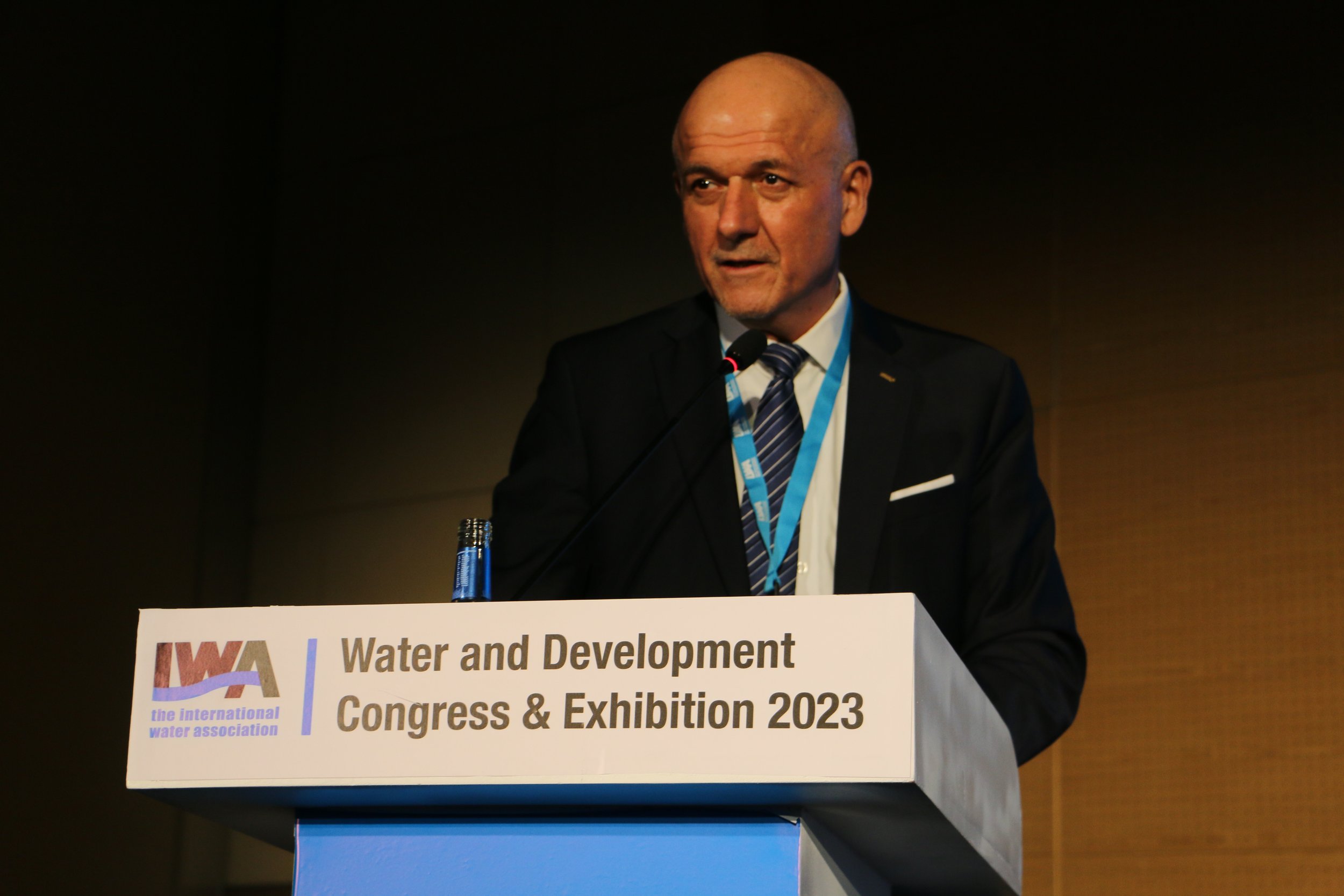
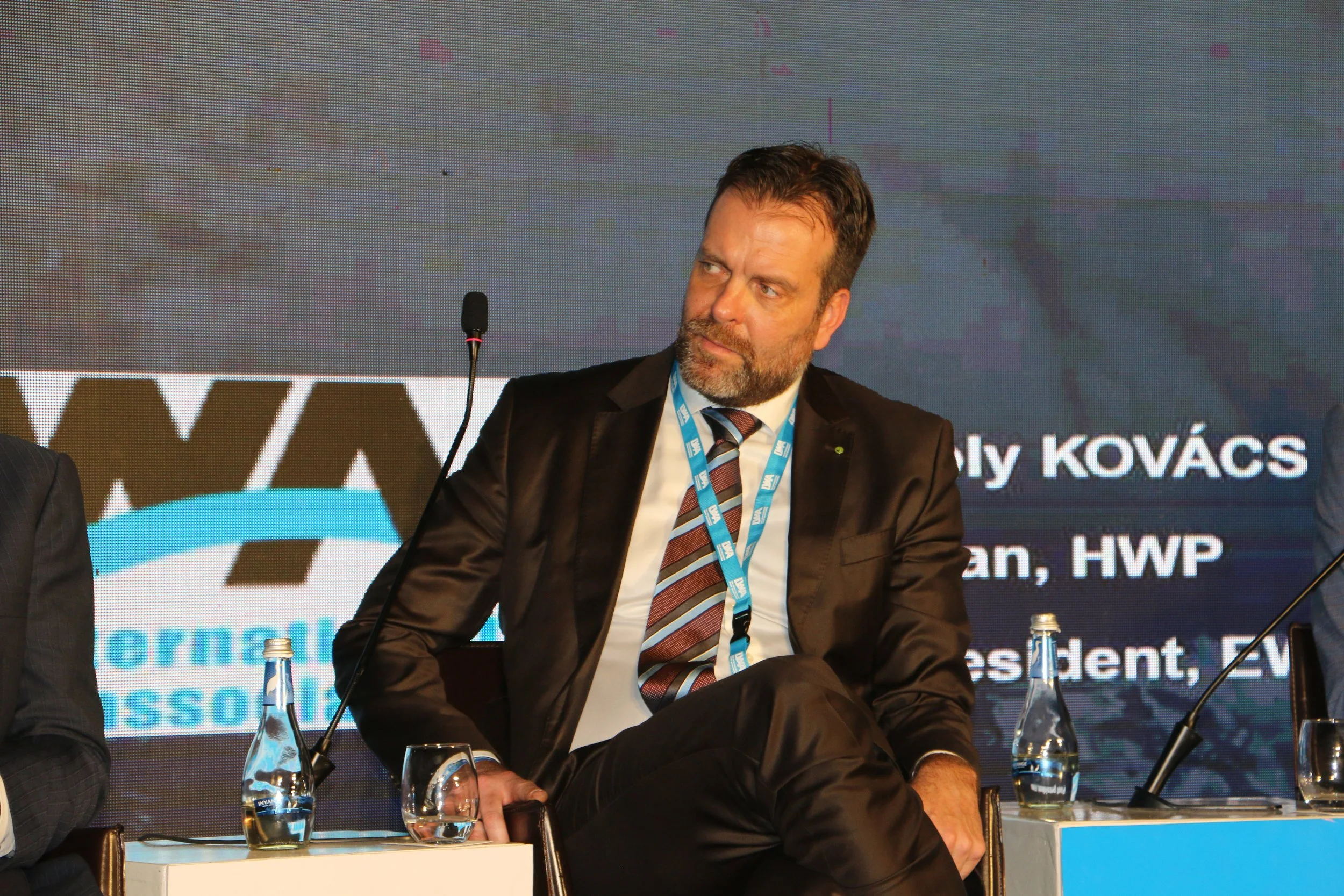
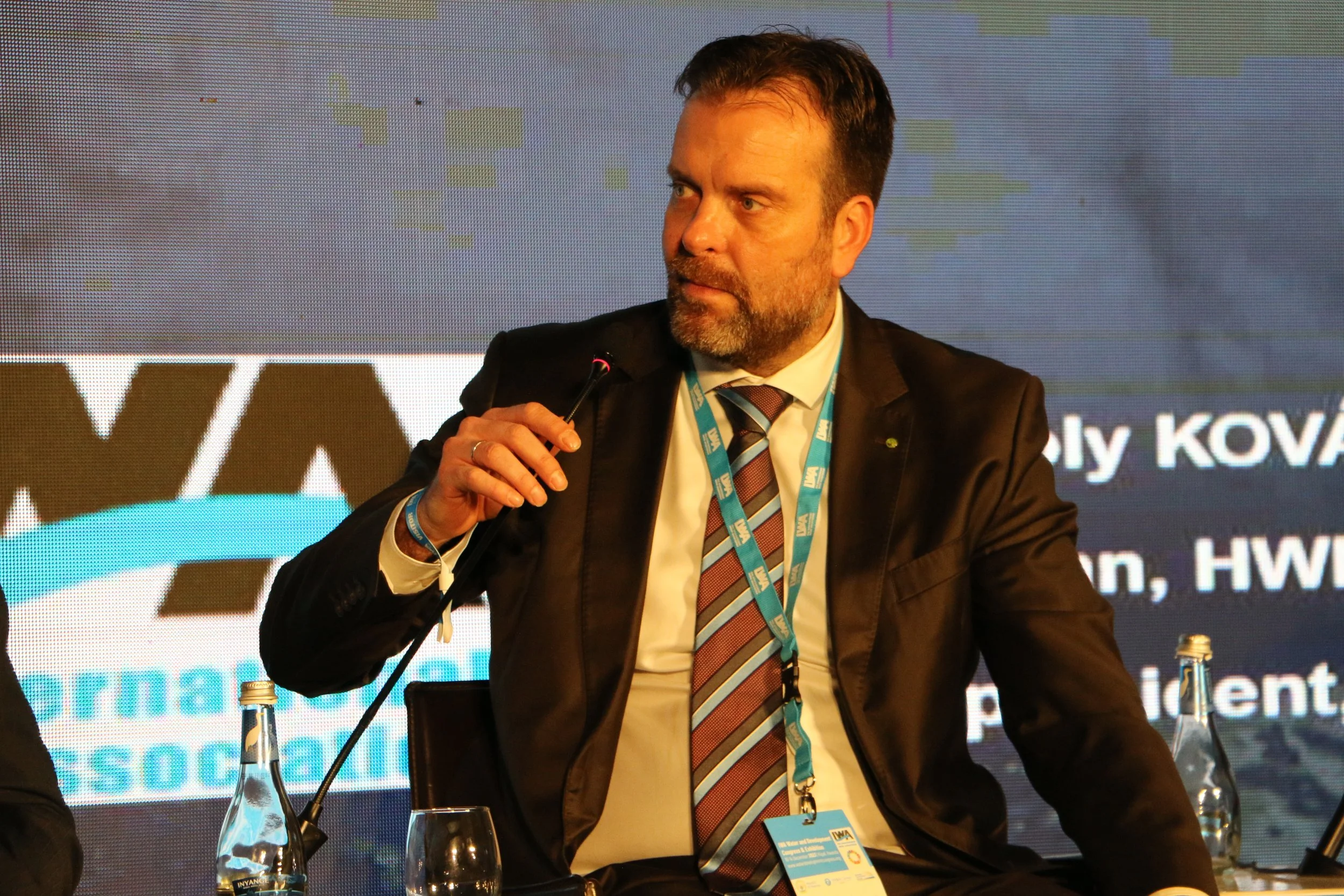
Dr. Károly Kovács, President of the Hungarian Water Partnership and moderator of the workshop, emphasised the importance of combining technology, financing and local cooperation:
“The application of decentralised, consumer-close technologies and the appropriate financing of water-sector developments, including the involvement of private investors, can deliver tangible results. Expertise alone is not enough: understanding local conditions, cooperating with local partners and building genuine partnerships are equally important if we want to address global water challenges effectively.”
Strengthening Hungarian–African cooperation
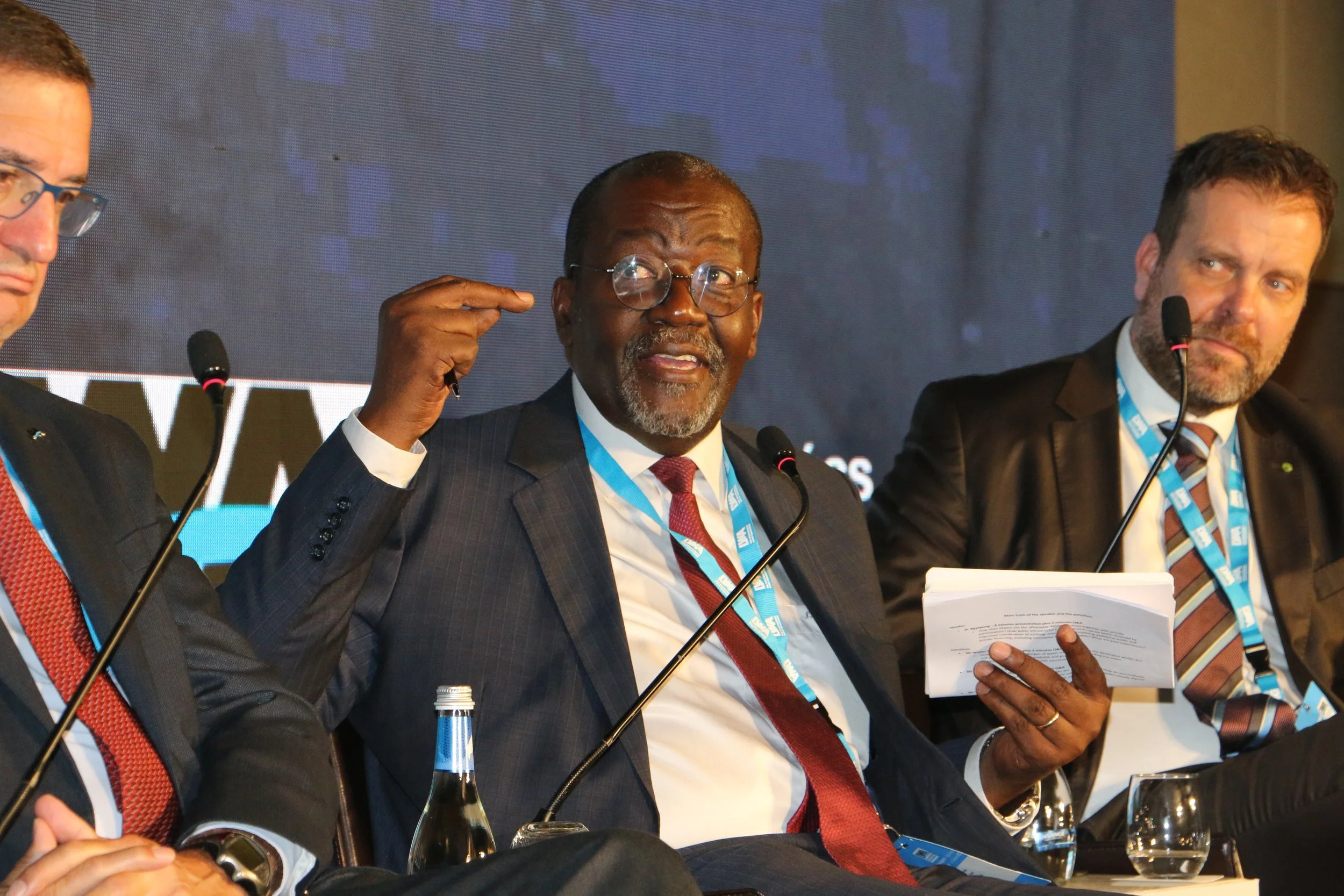
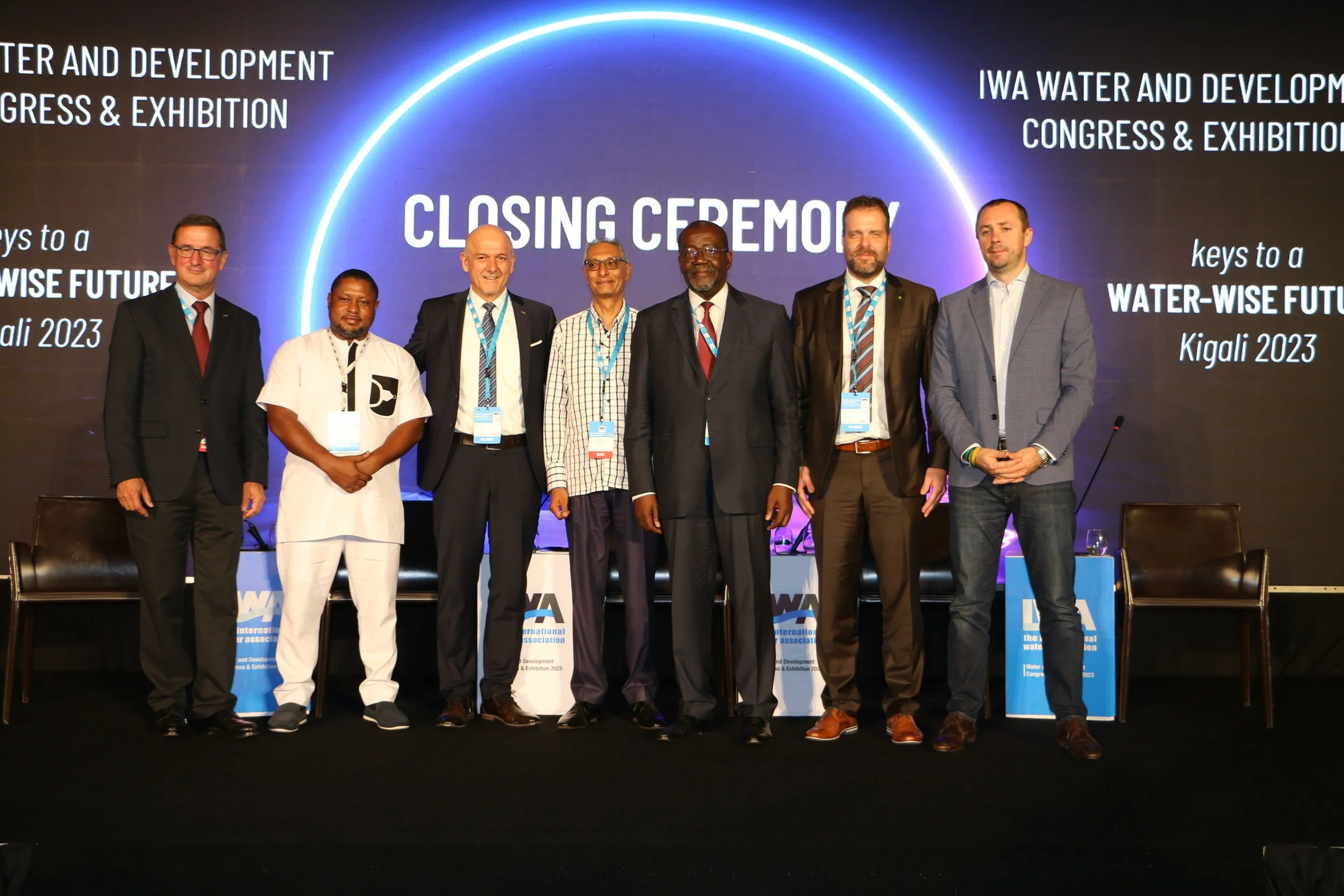
The HWP workshop brought together representatives of international, European, African and Hungarian organisations, including the International Water Association (IWA), the International Association of Water Service Companies in the Danube River Catchment Area (IAWD), the African Water and Sanitation Association (AfWASA) and Hungarian Water Partnership member companies.
The discussions focused on practical responses to drinking water, wastewater and sanitation challenges in developing countries and highlighted the importance of cooperation between technology providers, utilities, institutions and financing partners.
The Congress also marked another step forward in cooperation between the Hungarian Water Partnership, European water-sector organisations and AfWASA. From January 2024, Dr. Károly Kovács joined AfWASA’s strategic professional activities, further strengthening cross-continental cooperation between African and European water-sector stakeholders.
Through these partnerships, HWP continues to promote Hungarian water expertise internationally while contributing to the implementation of the United Nations Sustainable Development Goals, particularly SDG 6 – Clean Water and Sanitation.