Regional water challenges, practical Hungarian technologies and stronger partnerships for Africa
HWP at the 95th AfWASA STC in Malawi
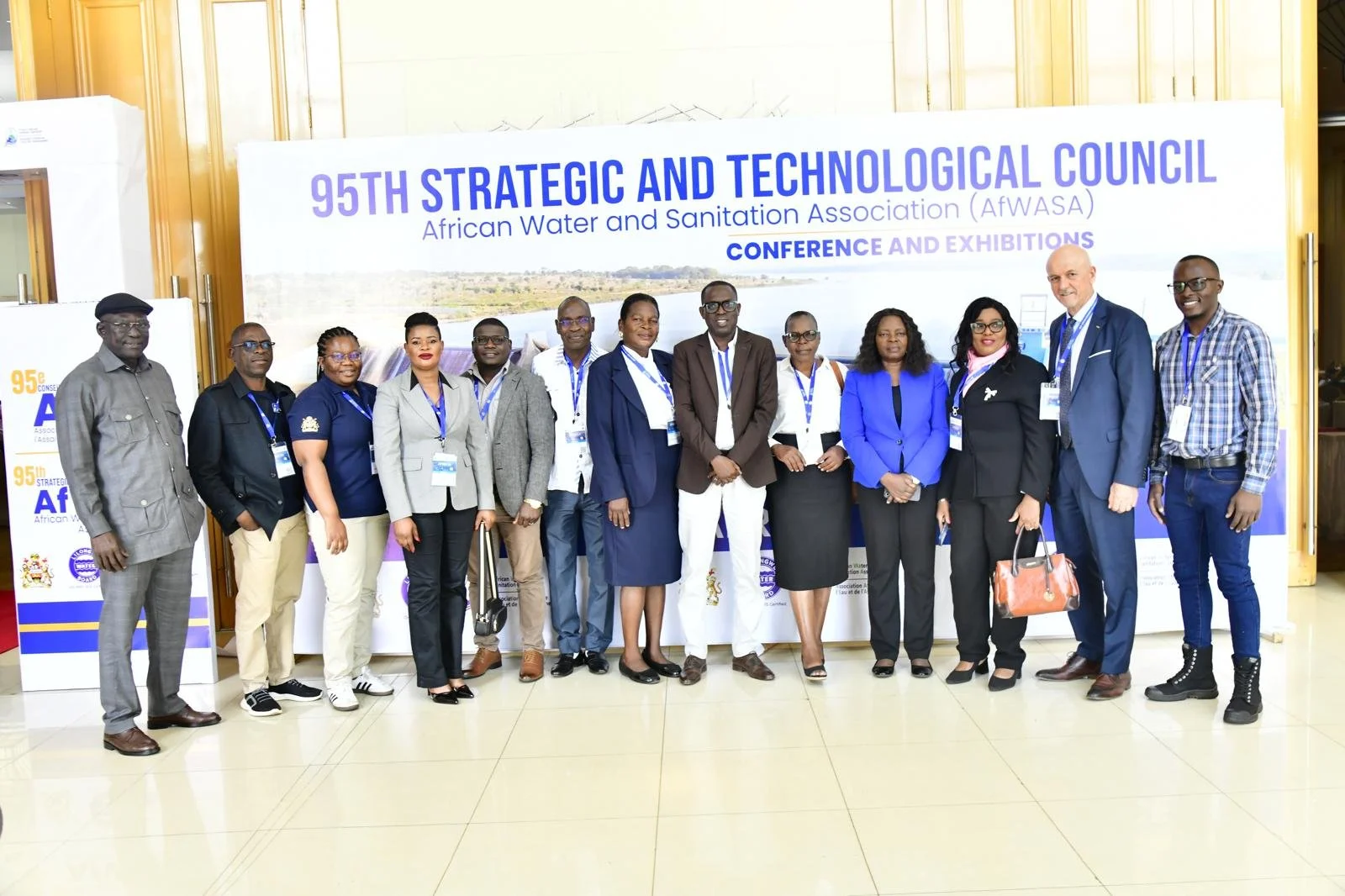
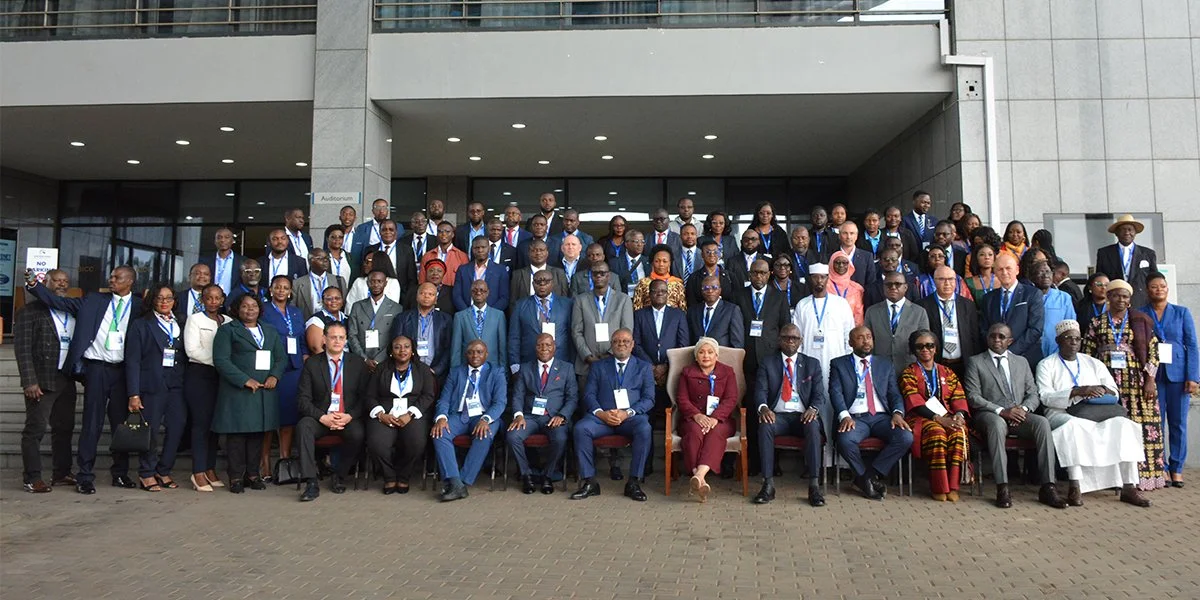
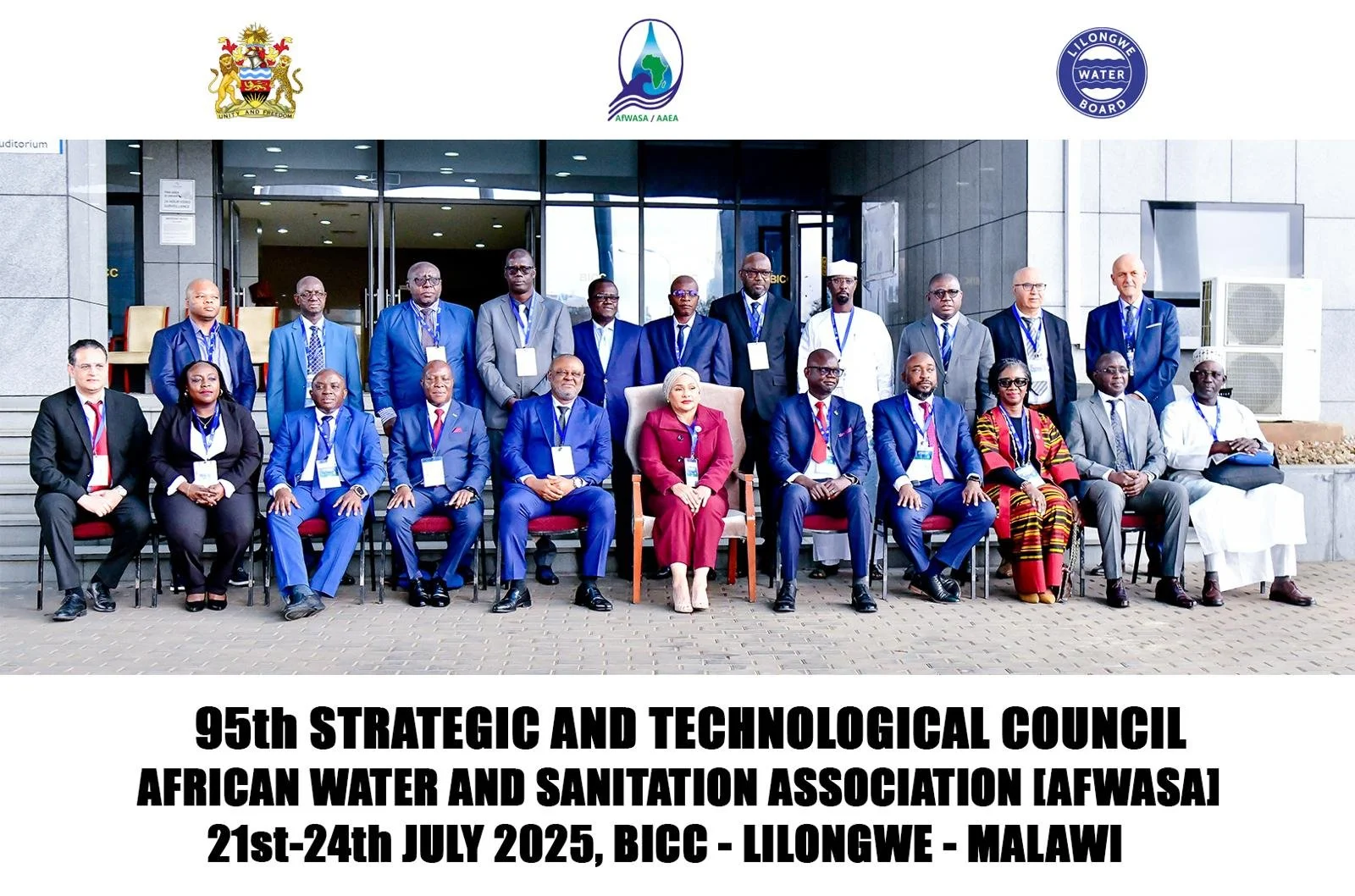
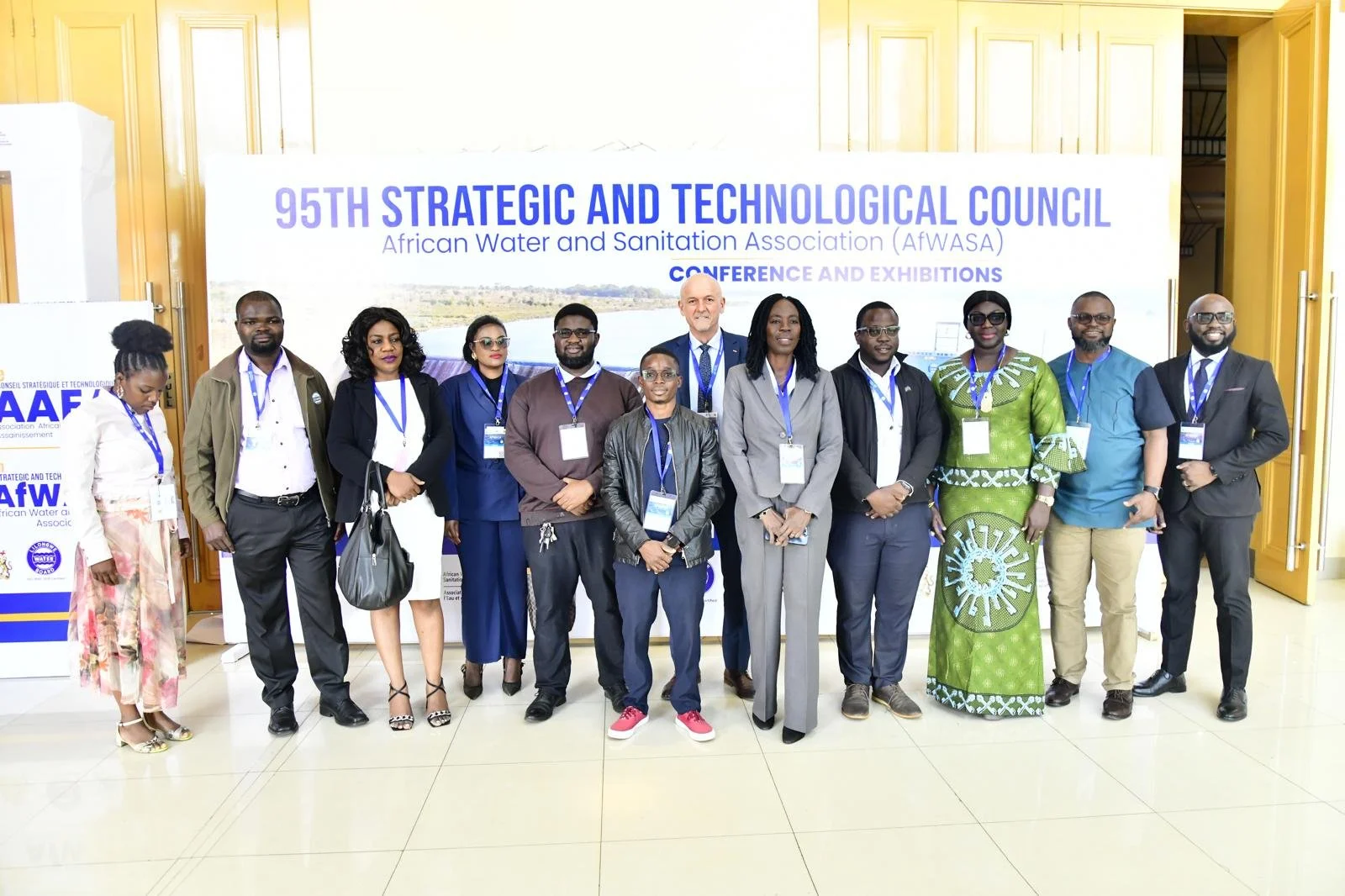
The Hungarian Water Partnership (HWP) was given a prominent opportunity to present Hungarian expertise and practical water-sector solutions at the 95th Session of the Strategic and Technical Council (STC) of the African Water and Sanitation Association (AfWASA), held in Malawi from 21 to 24 July 2025.
The high-level event brought together water and sanitation professionals, utility leaders, policymakers and technical experts from across Africa to discuss the continent’s most pressing challenges and identify solutions that are sustainable, appropriate to local conditions and economically viable.
Hungarian expertise in the plenary programme
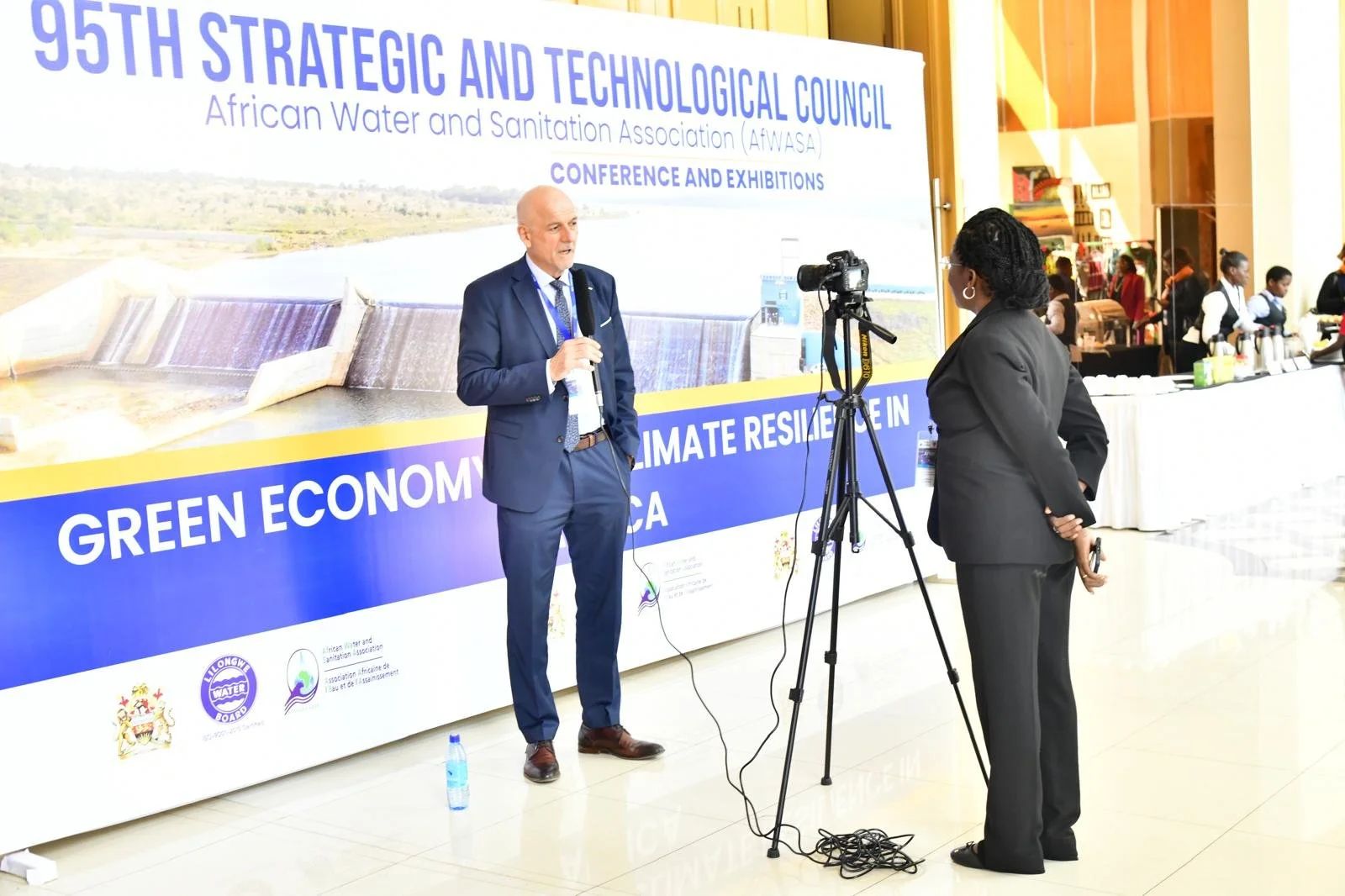
Dr Károly Kovács PhD, President of HWP, Vice-Chair of the AfWASA Sanitation Specialist Group and a member of the AfWASA Strategic and Technical Council, delivered a presentation during the plenary session and subsequently shared his experience in a panel discussion.
His presentation introduced technological and technical innovations, with particular emphasis on solutions designed to address Africa’s wastewater and sanitation challenges. These included approaches recognised by both the United Nations and the International Water Association for their potential to support sustainable and affordable sanitation services.
Dr Kovács also presented proposals for improving regulatory frameworks by reviewing wastewater-treatment standards developed for European and other high-income contexts and adapting them to the operational, economic and environmental realities of African countries.
Fit-for-purpose regulation for faecal-sludge treatment
Particular attention was given to the treatment of faecal sludge generated in urban areas without sewer networks. The discussion included treatment facilities successfully implemented by HWP member Pureco Ltd. in several African cities.
Faecal sludge delivered to these facilities may contain pollutant concentrations ten to one hundred times higher than those typically found in conventional municipal wastewater. Applying discharge standards designed for conventional wastewater treatment plants can therefore create unrealistic technical requirements, disproportionately high investment and operating costs, and barriers to the expansion of safe sanitation services.
Fit-for-purpose regulatory frameworks are essential to ensure that environmental protection remains ambitious while treatment requirements are technically achievable, financially viable and appropriate to local conditions.
The proposals received a positive response from the plenary audience and were discussed further by the Sanitation Specialist Group the following day. Participants expressed strong interest in continuing the professional dialogue and developing practical recommendations.
In recognition of his contribution, Dr Kovács was invited to a special gala dinner hosted by senior African water-utility leaders. The occasion provided an additional opportunity to introduce HWP’s expertise and solutions to top executives representing water operators from across the continent.
Sanitation gains greater prominence within AfWASA
For almost four decades, the organisation—formerly known as the African Water Association—focused primarily on water-supply services. Its official renaming in 2023 as the African Water and Sanitation Association marked a significant strategic shift and reflected the growing importance of sanitation within its mission.
This change was accompanied by an organisational transformation. AfWASA expanded its existing water-supply-focused specialist groups by establishing a dedicated Sanitation Specialist Group addressing wastewater collection, treatment and reuse, as well as non-sewered sanitation.
Dr Károly Kovács was appointed Vice-Chair of the new group at its inaugural session and represents it within the Strategic and Technical Council. Drawing on his experience within the European Water Association, he has contributed to defining the group’s professional scope and developing its operational framework.
The framework was adopted with unanimous support from the STC and AfWASA leadership.
A comprehensive approach to sanitation
In line with United Nations principles and the right of every person to safe, dignified and hygienic conditions, the Sanitation Specialist Group’s work covers a broad range of interconnected topics:
Management and operation of public toilets
Non-water-based sanitation solutions
Wastewater collection, transport, treatment and reuse
Planning, construction and operation of sewer networks
Stormwater collection through combined and separate systems
Wastewater pumping stations
Design, construction and operation of wastewater-treatment plants
Regulation and management of non-sewered sanitation systems
Collection and treatment of faecal sludge
Industrial wastewater treatment
Sludge management and its agricultural and energy-related reuse
Rainwater retention, treatment and reuse
Financing, capacity development and public awareness
This comprehensive scope recognises that sanitation cannot be addressed through technology alone. Effective services also require appropriate regulation, sustainable financing, institutional capacity, public engagement and long-term operational planning.
A personal story that resonated across the room
The plenary session began with a powerful demonstration. The moderator asked the approximately 150 participants to stand if they had ever personally fetched water. Around 50 people stood—almost all of them women—illustrating that the burden of collecting water continues to fall disproportionately on women in many parts of the world.
Only three men stood. Dr Kovács, the third of them, was invited to share his experience.
He recalled growing up in a village near Mohács, Hungary, where he collected drinking water from a hand-pumped well. As a teenager, he delivered water by bicycle to agricultural workers. In the 1980s, he installed piped water in his grandparents’ home. By the 1990s, as a company executive, he was leading a wastewater-treatment project designed to eliminate pollution entering the Danube in the Mohács region.
His story connected personal experience with decades of professional development and demonstrated how access to water and sanitation can shape both individual lives and entire communities. The account resonated deeply with the audience and was followed by prolonged applause.
From professional dialogue to practical cooperation
Throughout the three-day event, Dr Kovács also held bilateral discussions with senior representatives of national water utilities and public authorities. These meetings explored ongoing initiatives and possible future cooperation on water and sanitation infrastructure projects.
HWP’s participation in Malawi reinforced its long-term commitment to building effective partnerships between Hungarian water-sector companies and African institutions. By combining practical technologies, professional knowledge, regulatory experience and international networks, HWP aims to support solutions that respond to local needs and can be operated sustainably over the long term.
The next session of the AfWASA Strategic and Technical Council will be held in Cameroon in November 2025. In addition to progress reports from the specialist groups, the meeting will finalise the programme of AfWASA’s 2026 International Congress and Exhibition. Dr Kovács has also been invited to contribute to the congress programme committee.
The discussions in Malawi demonstrated the value of sustained professional cooperation: regional challenges require locally appropriate solutions, but knowledge, experience and innovation can—and should—be shared internationally.